



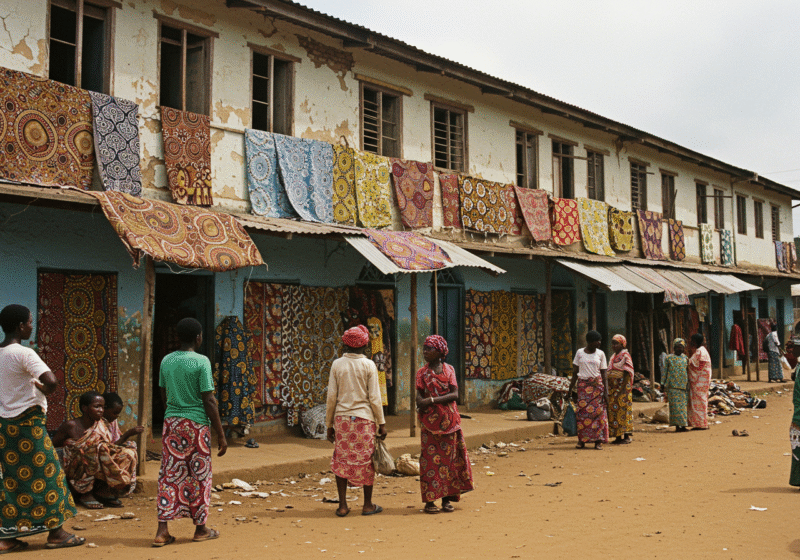
When you picture the global textile trade centuries ago, your mind probably jumps to the silks of China or the fine muslins of India. Yet what you may not imagine is a vibrant, technologically advanced textile powerhouse flourishing along the East African coast, weaving sophisticated cotton cloths that were sought after from the interior of the continent all the way to Arabia. Indeed this is the untold story, a chapter often deliberately erased from history books: the rise and brutal dismantling of East Africa’s indigenous textile industry.
For centuries before the arrival of European ships, coastal communities from Kilwa up to Mombasa were not just trading for cloth; they were manufacturing it. Infact they controlled the entire supply chain: growing high-quality cotton, harvesting natural dyes, spinning yarn, and weaving distinct, durable fabrics. This industry represented economic autonomy and cultural pride. Yet, like so many thriving non-European industries, it was systematically destroyed by external powers. The thread was broken, but today, modern African creatives are meticulously picking up the pieces, weaving a new future from the fragments of this powerful legacy.
A Thousand Years of African Fibre
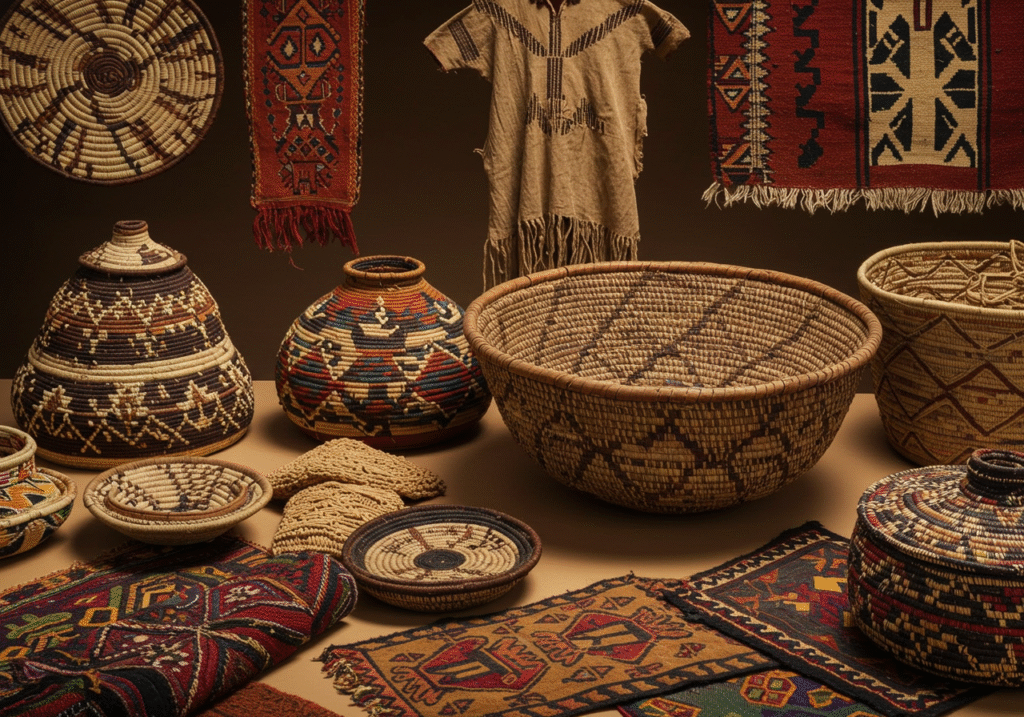
The narrative that Africa was merely a source of raw materials is a colonial fabrication. Long before the Portuguese rounded the Cape, the East African coast was a hub of complex manufacturing.
The Kilwa Cotton Connection
In the powerful Swahili city-states, the mastery of textiles was a cornerstone of the economy. Notably, Kilwa, famous for its gold trade, was also a center for producing fine cotton cloth. Archeological finds and historical accounts confirm that local artisans were adept at using vertical looms to produce cloth that served both local needs and regional trade. Moreover, this was a sustainable, closed-loop system where the local environment provided the resources, and local knowledge created the value. They did not rely on imports to clothe their people.
The cloth produced was not just basic utility fabric; it was a medium for cultural expression. Different patterns and dye colors were used to signify status, clan affiliation, and ceremonial roles. The cloth itself was currency in some internal trade networks. The value was generated and retained within the continent.
Dyeing Mastery: From Plant to Pigment
The Swahili artisans possessed intricate knowledge of natural dyeing techniques, extracting rich, permanent colors from the coastal environment. They used plants like the indigo plant for brilliant blues and various barks and roots for reds, yellows, and browns. This knowledge represented centuries of accumulated botanical and chemical expertise. Imagine the sight: huge vats bubbling with natural pigments, artisans transforming plain white cotton into vibrant textiles that would travel across the sea to markets in Muscat and the Persian Gulf. This was a sophisticated chemical industry operating without fossil fuels or synthetic ingredients.
The Agents of Destruction: From Monsoons to Monopolies

The arrival of the Portuguese in the late 15th century and their subsequent attempts to control the Indian Ocean dramatically changed the fate of the East African textile industry. Their motive was simple: monopoly.
The Portuguese Intervention: A Trade War
The Portuguese did not just want to trade with the Swahili; they wanted to replace them as the middlemen. They quickly realized that the local textile manufacturing was a source of power and wealth. By the 16th century, they began a strategy to dismantle this independence.
Instead of allowing the Swahili to continue manufacturing and trading their own goods, the Portuguese inserted themselves as the primary supplier of cheap, imported cotton cloth, mainly sourced from India. They used force, piracy, and economic pressure to disrupt the flow of raw African cotton and suppress local weaving. The goal was to reorient the economy: African gold and ivory were to be exchanged directly for Portuguese-controlled goods. This shifted the Swahili from being producers and value-creators to mere consumers of foreign goods. This tactic was a clear attack on economic sovereignty, designed to make the local populations dependent on the new European shipping routes.
The Colonial Legacy: Factory vs. Artisan
The final nail in the textile industry’s coffin came much later, with the formalization of British and German colonial rule in the 19th and early 20th centuries. The industrial revolution in Europe created a new, overwhelming threat: cheap, mass-produced factory textiles.
Colonial governments actively discouraged local manufacturing through:
- Tariffs and Taxes: Imposing heavy taxes on local production while ensuring imported European textiles entered with little to no duty.
- Infrastructure: Building railways and ports that channeled raw African cotton directly to European mills (primarily Lancashire), bypassing local spinning and weaving centers entirely.
- Education and Policy: Failing to invest in or even actively dismantling the local artisanal guilds and knowledge transfer, framing traditional methods as “rudimentary” compared to the industrial European model.
The result was devastating. Local artisans, unable to compete with the artificially cheap, imported fabrics, went bankrupt. The centuries-old knowledge of cotton cultivation, natural dyes, and complex weaving techniques was broken and scattered. The region was successfully converted from a producer of finished goods into a mere supplier of raw material and a market for foreign cloth. My great-aunt, who grew up in the early 1900s, often recounted how the vibrant, locally dyed fabrics of her mother’s generation gave way to the pale, thin imported cloths that were status symbols precisely because they signaled dependence on the European economy.
Recommended For You
Nairobi Fashion Week 2025: Redefining Fashion in East Africa
The Resurgence: Weaving a New Identity
Today, there is a powerful and beautiful movement to resurrect this lost heritage. African designers, artists, and entrepreneurs are not just creating clothes; they are engaging in an act of cultural and economic reclamation.
Beyond the Print: The Focus on Fibre and Dye
The modern resurgence is moving beyond the simple “kitenge” or “ankara” wax print, which, ironically, was heavily influenced by Dutch colonial techniques and initially manufactured in Europe and Asia. The true innovation lies in reclaiming the entire supply chain, focusing on indigenous African cotton and natural dyes.
- Farm-to-Fabric: Initiatives are emerging in countries like Tanzania and Uganda to revitalize local cotton cultivation using sustainable, non-GMO practices. By investing in local spinning and weaving mills, designers are shortening the supply chain and ensuring that the economic value stays within the communities.
- Dye Revival: Botanical experts and textile artists are working to document and revive the ancient knowledge of local natural dyes. This is not just a stylistic choice. It is an environmental one. Natural dyes are non-toxic, biodegradable, and represent a truly sustainable alternative to the highly polluting synthetic dyes used by fast fashion.
A New Global Diplomacy
African fashion is now a powerful tool for global diplomacy. Contemporary designers are not just selling clothes; they are selling a narrative of resilience, innovation, and history.
- Designer as Historian: Designers like Adama Paris or others working in West and East Africa are incorporating historical patterns and traditional weaving techniques, transforming their garments into wearable artifacts that tell the true story of African manufacturing ingenuity.
- Ethical Manufacturing: The emphasis on ethical sourcing, fair wages, and sustainable production stands in stark contrast to the exploitative practices of fast fashion. This model demonstrates that African manufacturing can lead the way in conscious capitalism, prioritizing people and planet over pure profit.
The destroyed textile empire of East Africa reminds us that economic independence is fragile and that historical narratives matter deeply. By embracing the thread of their ancestors’ knowledge, modern Africans are not just rebuilding an industry; they are reasserting their right to define their own economic and cultural destiny.