

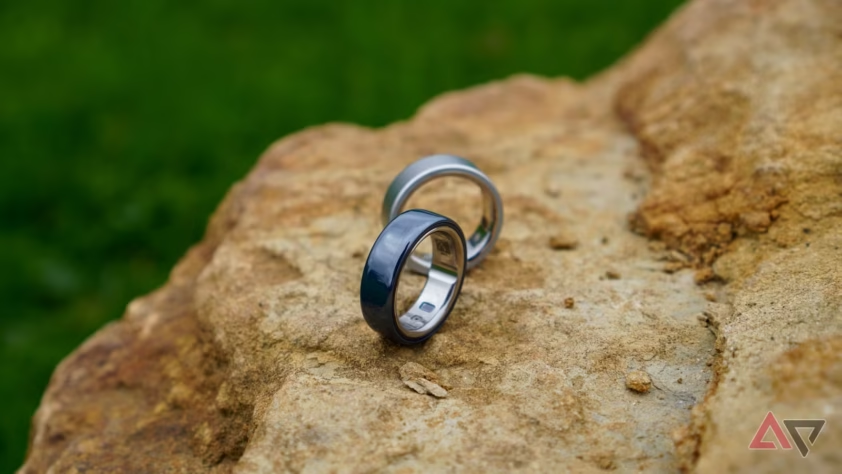
1. Oura & Whoop
These devices remain the gold standard for users who want deep, conversational insights into their biology.
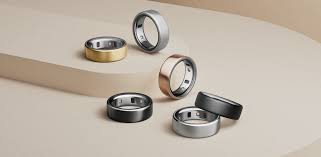
Oura Ring 4 (with Oura Advisor AI)
Oura has successfully pivoted from a simple ring to a “personal health concierge”.
The Oura Advisor is a proprietary GenAI model. Unlike 2024-era chatbots, this AI has “memory”—it remembers your travel schedule, caffeine sensitivity, and stress triggers to provide hyper-personalised advice.
This year, Oura launched a specialised AI model for women’s health, specifically designed to interpret the complex interplay between sleep, the menstrual cycle, and metabolic health.
Best for those who want a “seamless” wearable that provides long-term healthspan predictions.
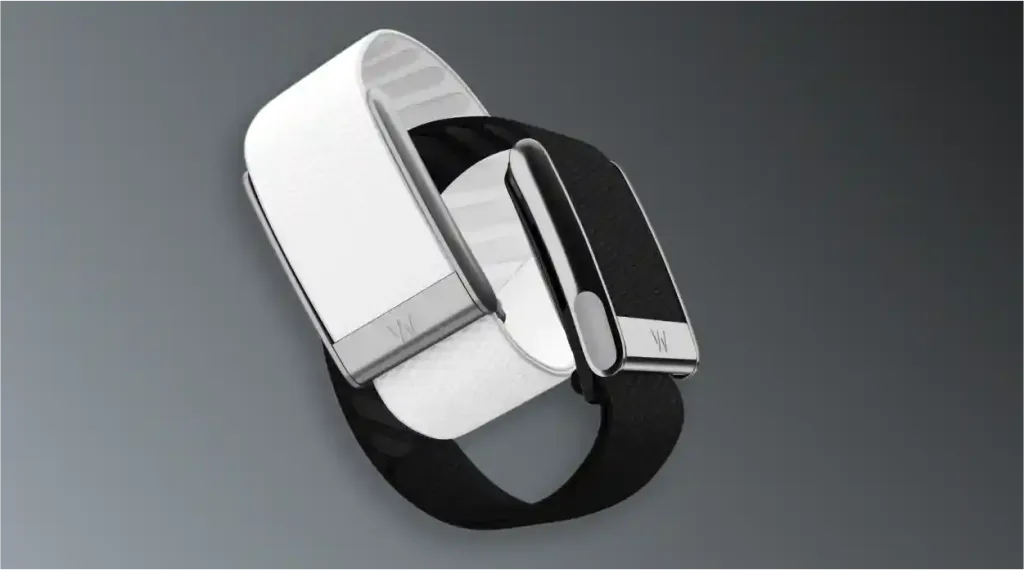
Whoop 5.0 / Whoop MG
Whoop continues to dominate the high-performance and “Longevity” markets. Whoop’s AI Coach now integrates with Whoop Advanced Lab, which fuses your sleep data with regular bloodwork. It uses predictive modelling to show your “pace of ageing” based on sleep-driven recovery.
If the AI detects a trend of rising nocturnal heart rate or declining HRV, it won’t just tell you; it will proactively suggest a specific “recovery protocol” for the upcoming day to prevent burnout.
2. Bía & Apollo Neuro
These represent the “active” category, devices that use AI to change your brain state while you sleep.
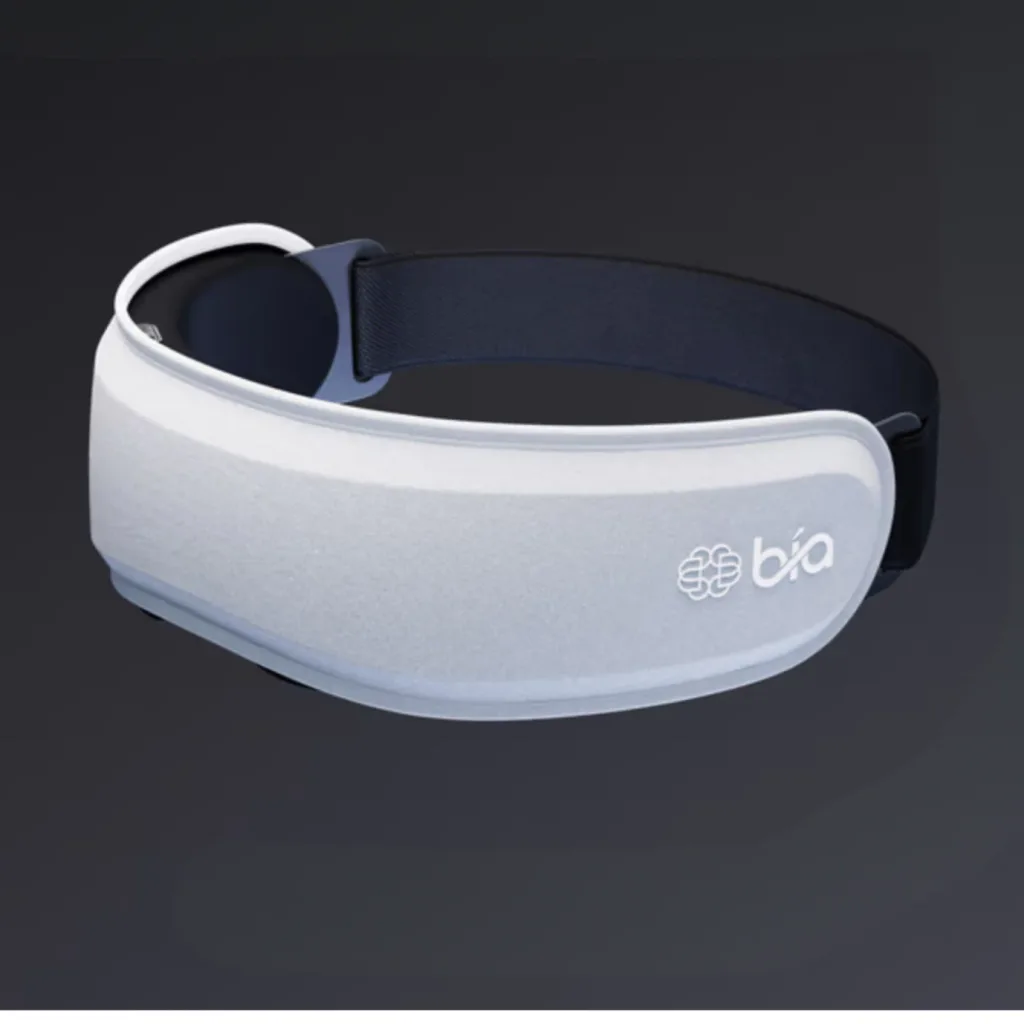
Bía Smart Sleep Mask
The breakout success of early 2026, the Bía mask, uses neurofeedback AI. It measures brainwaves (EEG) in real-time and uses “Neural Music”, AI-generated audio that shifts its frequency to “lull” your brain from light sleep into deep sleep.
Users report up to a 100% increase in deep sleep duration. It’s a “closed-loop” system: the AI listens to the brain and adjusts the audio until the desired sleep stage is reached.
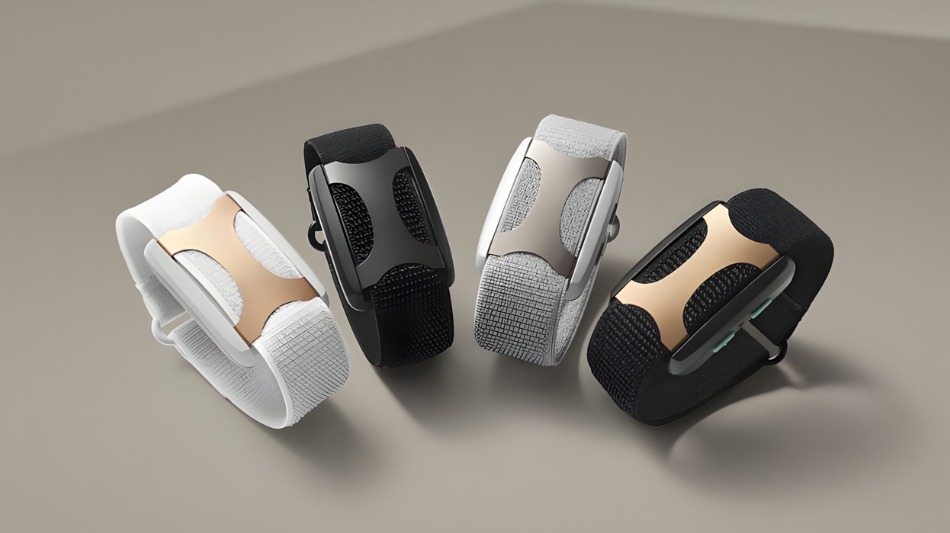
Apollo Neuro (with SmartVibes AI)
Apollo doesn’t just track; it communicates with your nervous system via haptic vibrations. The SmartVibes AI detects when you are about to wake up in the middle of the night. Before you are fully conscious, it initiates a sequence of soothing vibrations to “signal safety” to the brain and keep you asleep.
Studies in 2026 show an average of 60 extra minutes of sleep per night for chronic “toss-and-turners”.
3. Apple Watch Series 11
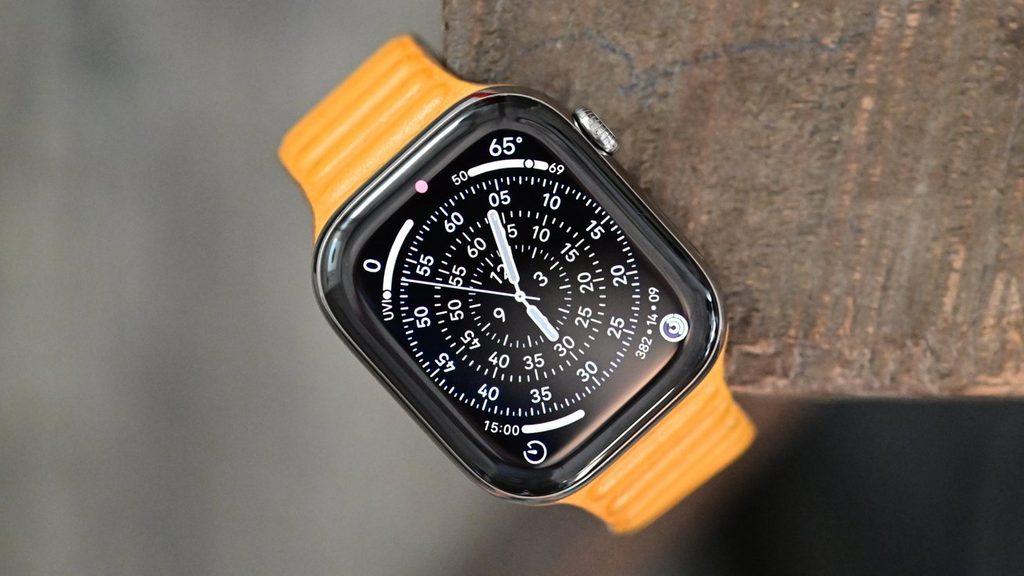
Apple remains the most effective “all-in-one” device, with 2026 focusing heavily on medical-grade screening.
Apple’s AI focus is on biomarker detection. Using the latest sensors, it provides hypertension notifications and sleep apnoea detection with clinical-level accuracy.
Its “Workout Buddy” AI now uses your sleep data to automatically scale back your exercise goals if your recovery is insufficient, preventing injury before it happens.
The “Deep AI” Layer: SleepFM
A significant breakthrough in early 2026 is the SleepFM model. Trained on over 600,000 hours of clinical sleep data, this AI can analyse a single night of wearable data to predict risks for over 100 health conditions. The most effective wearables are now integrating this “foundation model” to give you a predictive accuracy of 0.75 or higher for conditions like heart disease and diabetes years before symptoms appear.