


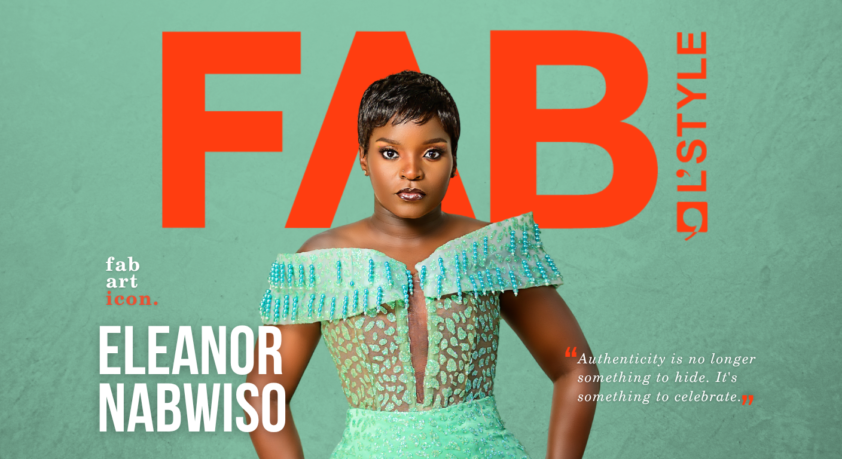
Few moments in modern cinema have felt as transformative as this one. Artificial intelligence is rewriting production workflows. Streaming platforms are rethinking what they commission. Independent filmmakers are searching for sustainable paths to audiences. Across film festivals and industry markets, the conversation has shifted from simply making great films to asking who gets to tell stories, how those stories travel across borders, and what authenticity truly means in an increasingly global entertainment scene. At the same time, audiences are turning away from imitation and rewarding films that are ingrained in place, culture, and lived experience. Few filmmakers embody that conversation more compellingly than Eleanor Nabwiso.
For more than two decades, the Ugandan actress, filmmaker, producer, and co-founder of Nabwiso Films has stood at the forefront of a new generation of East African storytellers, using cinema not simply to entertain, but to challenge silence, preserve culture, and spark conversations many societies would rather avoid. Whether exploring gender-based violence, reimagining African authenticity, championing women behind the camera, or pushing Ugandan stories onto international screens, her work has consistently asked bigger questions about who gets to tell Africa’s stories and how they should be told.
In this thoughtful conversation with FAB L’Style, Nabwiso looks beyond the spotlight to examine the realities of building an industry, balancing marriage with creative partnership, protecting culture in a globalised world, and remaining grounded after years in the public eye. Thoughtful, candid, and refreshingly honest, she shares why she believes authenticity is Africa’s greatest cinematic strength, why mastery matters more than titles, and why the future of African film depends not only on better stories, but on stronger systems. It is a conversation about cinema, certainly, but even more so about purpose, identity, and why she believes the most powerful stories are still the ones only Africans can tell.
Growing Up in Uganda and Discovering a Love for Acting
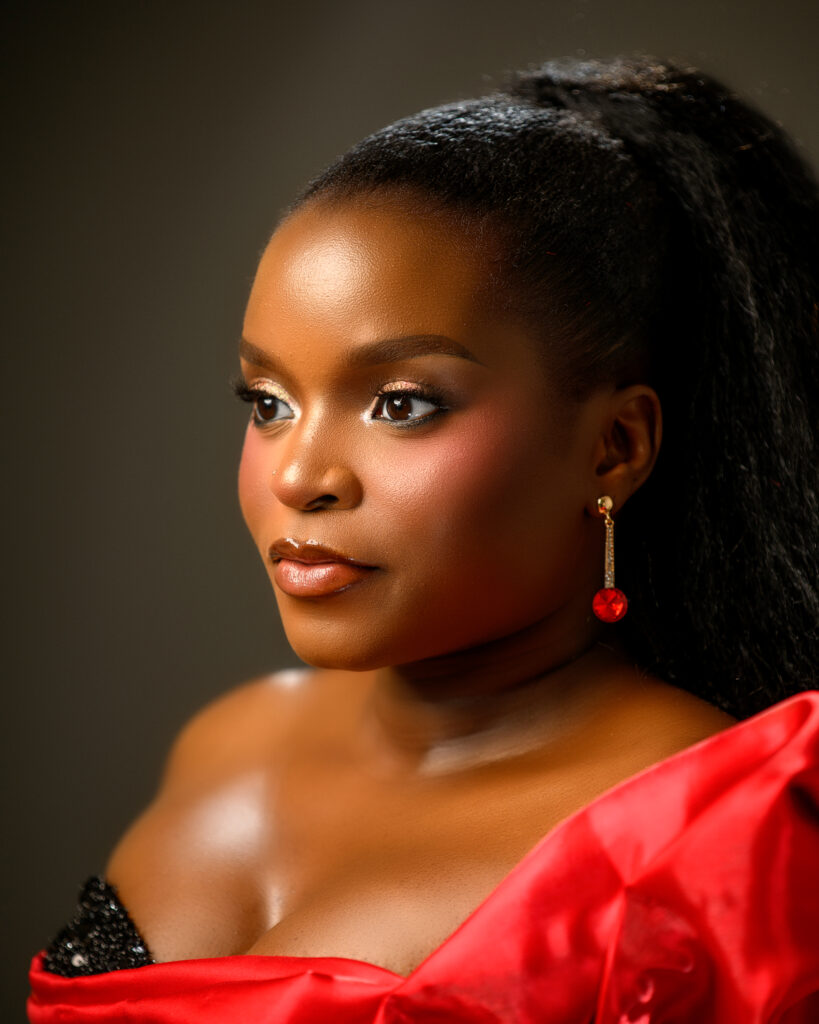
FAB: Before becoming an actress, who were you as a little girl growing up in Uganda? What kind of world were you observing then?
Eleanor Nabwiso: I grew up in a family of five children. I’m the third-born. I attended JV Kindergarten and later joined Namagunga Primary School, an all-girls school. That was where I first discovered my love for the stage, dancing, and acting.
I was always the first to raise my hand whenever the school organised annual plays. I desperately wanted the lead role. My first role, however, was a sheep in a nativity play. I remember telling myself, “At least I’m on stage today.” But I was covered in a sheep costume, and nobody could see my face. Still, I kept telling myself that one day I would become the main character.
My next role was one of the Three Wise Men. At least people could finally see my face, although I still had no dialogue. I simply walked on stage carrying gifts for baby Jesus. Later, I played one of the Uganda Martyrs. Eventually, I finally got the lead role. That remains one of the happiest years of my life.
The same year, I participated in numerous dance performances. I was always part of the school’s music, dance and drama activities. Whether I stood in the front row or the back row because of my height, I was always eager to perform.
After primary school, I joined Seeta high school, where I continued acting, dancing, miming, and performing on stage. During that period, I became Miss Interact, which was essentially our school beauty pageant. Students voted for me because they already knew me as someone who loved entertaining people.
After winning, I began visiting other schools to emcee events and entertain students. Soon after high school, I joined university. To be honest, I never really experienced university life the way many people do because I was constantly searching for my next stage. I kept asking myself: Where is television? Where is theatre? Where can I continue pursuing my passion?
At the time, opportunities in Uganda’s entertainment industry were still limited. Then a presenter left a television programme called K-Files on WBS TV, and auditions were announced. I applied and got selected. At just 19 years old, I became a television host while simultaneously pursuing my university degree.
Not long after that, I joined a stage production, where someone named Kwezi Kaganda noticed me. He told me, “You shouldn’t just be on stage. You should be on television.”
I told him that if any acting opportunities came up, he should let me know. A few weeks later, he called and informed me about auditions for a television series. I attended, gave it my best, and hoped for the best.
At around 21, I landed the role of Hope, a born-again Christian girl in The Hostel, which was one of Uganda’s most successful television series at the time. It became one of the country’s first major long-running TV productions and attracted audiences across East Africa. The series ran for over 270 episodes with three seasons, and I played one of the lead characters throughout.
When The Hostel ended, audiences still wanted more from us. Around that time, I had met my husband on set. We were in a serious relationship, and whenever people saw us together, they would ask, “Where can we watch your work now? What’s next for you?” Those questions pushed us to think differently. Eventually, we decided to create our own opportunities rather than wait for them. That’s how we founded Nabwiso Films.
Why Eleanor Nabwiso Chose Uganda Over Hollywood
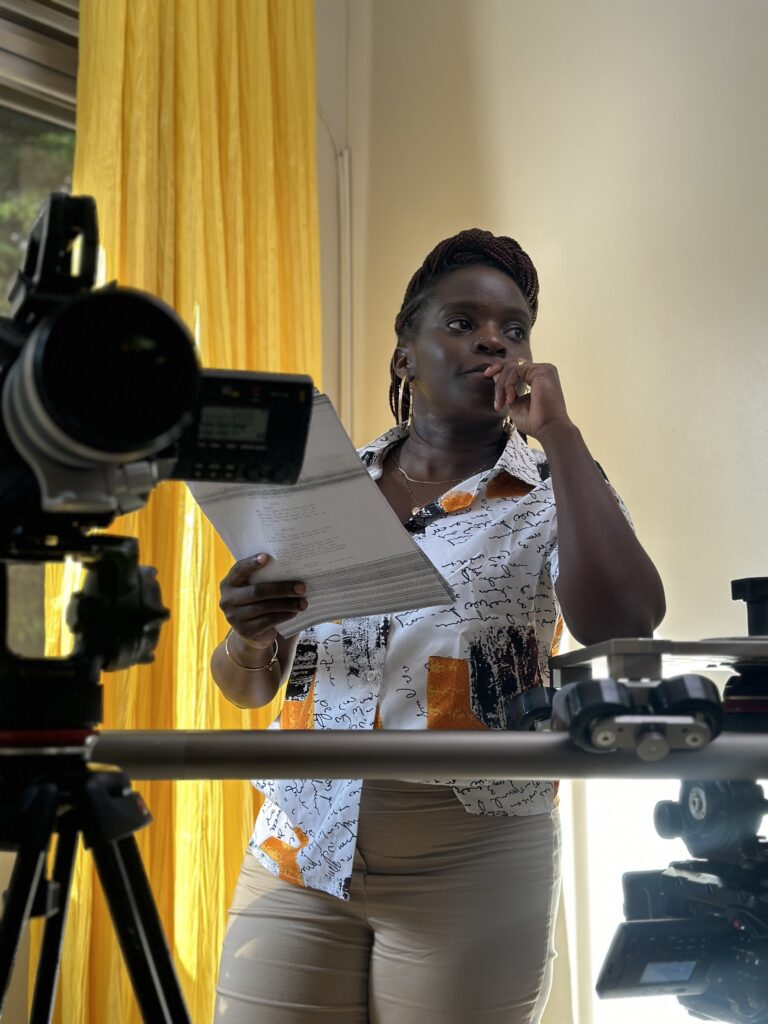
FAB: One would have expected you to study theatre arts or film, but you chose science in information technology. What was behind that decision?
Eleanor Nabwiso: I come from a highly educated family. Many members of my family hold master’s degrees and PhDs. At the time, pursuing a career in the arts was not considered a serious profession.
You could tell your parents that you wanted to be on television, and they would smile and encourage you. But eventually they would ask, “What profession are you actually going into?” Will you be a lawyer, doctor, nurse, or banker?”
I was probably the first person in my family to insist, “No, I want to be on TV.” My parents responded by saying, “You can pursue your passion, but first get a degree that can provide financial security.” I argued that art could pay the bills, but they remained unconvinced. They wanted me to earn a qualification that could land me a stable office job.
So I chose science in information technology because I enjoyed working with computers and had already studied related subjects in high school. I also believed it was a degree I could excel in academically. That led me to pursue a Bachelor of Science in Information Technology at Sikkim University.
At the time, studying drama or theatre arts in Uganda did not seem practical because there were very few opportunities available after graduation. If you studied music or drama, where exactly would you work afterwards?
Most of the success stories we heard involved people attending international film schools and eventually finding opportunities in places like Hollywood. That was never my dream. I never felt the urge to leave Uganda and chase a career abroad. I was deeply rooted at home. I wanted to build something here, create opportunities here, and tell stories from here. I always believed that Uganda would make me.
The Biggest Challenges Facing Uganda’s Film Industry Today
FAB: Ugandan cinema feels like it’s standing at an interesting crossroads. One might say there’s more visibility and more ambition. But from speaking with your husband, Matthew Nabwiso, he highlighted that there are still many structural limitations. What conversations do you think the industry urgently needs to stop avoiding from your perspective?
Eleanor Nabwiso: The challenge is that Uganda’s film industry never really had the opportunity to crawl before it had to run. Nigeria had time to grow gradually. Ghana had that opportunity too. Uganda didn’t.
When we entered the industry, we were immediately competing against content from Hollywood and Nigeria. We didn’t have the luxury of starting with small productions and slowly building an audience. We had to learn on the job, adapt quickly, and produce quality content from the start.
While we’ve made significant progress in production quality, there has always been a major gap in marketing and distribution. Many filmmakers focus all their energy on creating a film but don’t think seriously about where it will be marketed or how it will reach audiences. Those conversations often happen after production, when they should be happening from the very beginning.
As a result, many films remain on hard drives and personal computers because there was no proper plan for distribution or audience engagement. For me, one of the most urgent conversations we need to have is: Where are we marketing our content? How are we distributing it? How do we ensure our films travel beyond our borders?
Across Africa, we still don’t see enough films moving freely between countries, let alone reaching global audiences. A few producers have managed to break through, but we need much more of that. At Nabwiso Films, we’ve intentionally worked to take our content beyond Uganda through platforms such as Showmax, AfroLandTV, YouTube, (Multichoice) DSTV channels on different flights like Emirates and Uganda airlines and screenings in places like the United States and the United Kingdom. That’s how you build audiences and create sustainability.
Another issue is professionalism and on-set education. Many people enter the industry with passion, which is wonderful, but passion alone is not enough. We need more training around professional conduct, set etiquette, equipment handling, legal requirements, contracts, and the business side of filmmaking.
I’ve worked with thousands of creatives over the years, and one thing I’ve noticed is that very few people actively teach these aspects of the industry. Yet they are critical if we want to build a strong and sustainable film sector.
If I had to summarise the conversations we can no longer avoid, they would be marketing and distribution, professionalism, film business education, legal literacy, and proper industry training. Talent and passion are abundant. What we need now are stronger systems and better preparation for the realities of the profession.
Film Distribution, Streaming Platforms, and the Future of African Cinema
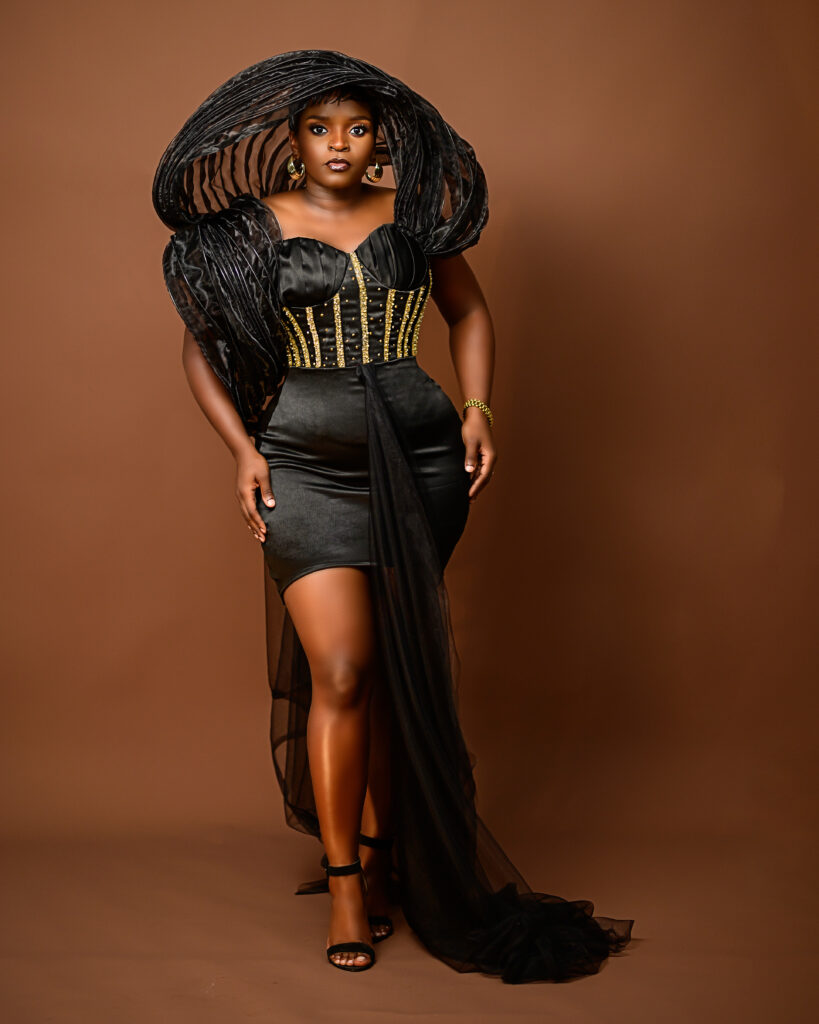
FAB: What exactly is the challenge in Uganda? Are we talking about cinema distribution, streaming platforms, or reaching international audiences? Over the last few years, we’ve seen a rise in independent producers distributing their work through platforms like YouTube, Netflix, Prime Video, and Showmax. Are these platforms still not effective enough?
Eleanor Nabwiso: For a long time, many producers had completed projects sitting on hard drives because there simply weren’t enough buyers for African content. Things started to change when MultiChoice opened up and began acquiring content from independent producers. Before that, most content was commissioned directly, so filmmakers had very limited opportunities to sell completed projects.
When platforms like YouTube became available, many producers saw them as an alternative distribution channel. People uploaded their films hoping to generate income, but after a year or even two years, many realised the financial returns were not what they expected.
As a result, some creators began prioritising quantity over quality. Because YouTube rewards views, engagement, and consistency, many producers started releasing films every few weeks in an attempt to grow their channels and generate revenue. Unfortunately, that pressure has often affected production quality. Audiences have become accustomed to consuming quickly produced content simply because they want something new to watch.
The bigger issue is that there are still very few alternative platforms actively acquiring content. In Uganda, we have only a handful of emerging platforms, and most are still developing their business models. Many are not yet in a position to purchase content consistently.
Netflix, for example, remains difficult for many Ugandan producers to access. We don’t have a strong local distribution structure or aggregator network connecting filmmakers to the platform. A few producers have secured opportunities through special programmes and partnerships, but for the majority, Netflix remains largely out of reach. Many filmmakers would love to distribute their work there, but the pathway simply isn’t clear or accessible.
That leaves many producers in a difficult position. They have content they want people to see, but few viable distribution options. So naturally, they turn to YouTube because it offers immediate access to audiences.
Personally, I’ve uploaded much of my older content to YouTube after exhausting other distribution opportunities. Once licensing agreements with airlines and streaming services ended, I felt it made more sense to make the content accessible rather than leave people constantly asking where they could watch it.
Another challenge is geo-locking. It significantly limits access to African content. Take our television series Sanyu, for example. It ran for more than 800 episodes and became hugely popular, not only in Uganda but across Kenya, Rwanda, Ethiopia, and other parts of Africa. It also attracted audiences in Europe and the United States through Showmax.
However, when geo-restrictions were introduced in some territories, many viewers suddenly lost access to the show. Fans were disappointed because that platform had become their primary way of watching Ugandan content.
So while streaming has created opportunities, it has also introduced new barriers. On one hand, audiences can access content more easily than before. On the other hand, geo-locking and limited distribution infrastructure continue to restrict reach.
At the same time, producers working primarily for YouTube often operate with smaller budgets, which can affect production quality. It’s a complicated ecosystem, and I don’t think anyone can say with certainty where it’s heading.
Now we also have AI transforming the media landscape. That will bring both opportunities and challenges. What I hope to see is stronger collaboration across Africa, more distributors willing to champion African stories, and new streaming platforms that make it easier for content to travel across borders. Ultimately, we need systems that allow African filmmakers to reach audiences wherever they are.
Why Authentic African Storytelling Matters More Than Ever
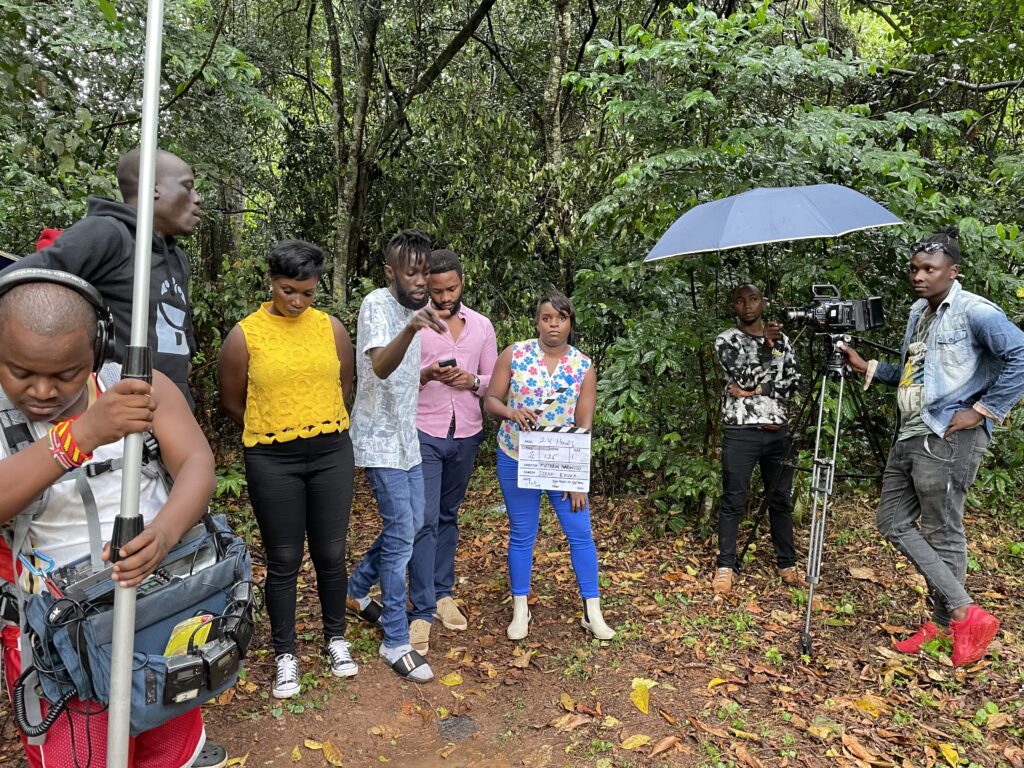
FAB: One thing you’ve highlighted is the quality of the films being released right now. Across Africa and even within the diaspora, people often say African filmmakers need to tell authentic stories. But authenticity itself has become complicated. So who do you think African filmmakers are performing authenticity for today? Local audiences, film festivals, streaming platforms, or Western viewers?
Eleanor Nabwiso: I feel our authenticity was compromised from the beginning because we started by consuming so much Hollywood content. Everyone wanted to make films with American accents, upscale apartments, and lifestyles that mirrored what they saw on screen. In the process, we neglected our own cultures, traditions, villages, and belief systems. We lost part of ourselves because we were trying to fit into someone else’s model.
Take Korea, for example. Korean content is now among the most watched in the world because it embraces its identity. Korean filmmakers tell stories rooted in their own culture, landscapes, traditions, and social realities. Audiences are curious about what is different. They want to experience another world. Korea gives viewers exactly that.
In Africa, we moved away from our uniqueness for a while. We started seeing culture and traditional beliefs as outdated or unsophisticated. At the same time, some of the earlier films that focused heavily on villages and witchcraft created a different challenge. Audiences began to wonder whether that was the only story Africa had to tell.
When Nigerian filmmakers began presenting more urban stories and contemporary lifestyles, some people questioned whether those stories were truly authentic. If you have never visited Nigeria, you may not know what is real and what is exaggerated. That confusion exists because Africa is far more complex than the stereotypes people have become familiar with.
As a producer, I’ve always believed every project should contain something uniquely African that attracts viewers from outside our borders. It could be a traditional wedding, a cultural ceremony, a local custom, or a historical practice. There should be something that immediately tells audiences where this story comes from.
At the same time, we cannot pretend modernity doesn’t exist. We live in a globalised world. We use technology, travel, live in cities, and often share many aspects of contemporary life with people elsewhere. That reality also belongs in our stories. The challenge is finding the right balance between modern African life and our cultural heritage.
One area where I think we fell behind is folklore. Many of our traditional stories have been overlooked because they are expensive to produce. Recreating historical periods requires costumes, locations, set design, and extensive production resources. European and American productions often have the budgets to bring their histories vividly to life. They can build entire worlds around their heritage.
In Africa, many filmmakers simply don’t have access to those resources. Yet I believe things are changing. People are travelling more, learning more about themselves, and becoming increasingly proud of where they come from. Everywhere you go, people ask where you’re from and what makes your country unique.
As filmmakers, we have a responsibility to answer that question through our work. Every film I’ve produced contains elements of Uganda, whether through tourism, wildlife, cultural practices, traditions, or social realities. I believe more African filmmakers are now embracing that approach. Authenticity is no longer something to hide. It’s something to celebrate.
For years, outsiders told African stories on our behalf. Then films inspired by African histories and cultures began gaining international attention, and we started asking ourselves why we weren’t telling more of these stories ourselves. Budget constraints remain a challenge, but they cannot be an excuse forever.
If someone in Hollywood can recreate aspects of our culture and build entire productions around African-inspired stories, then surely we can do the same. It’s time for us to tell our own stories, and I believe we’re already moving in that direction.
Eleanor Nabwiso on Preserving Uganda’s Culture Through Film
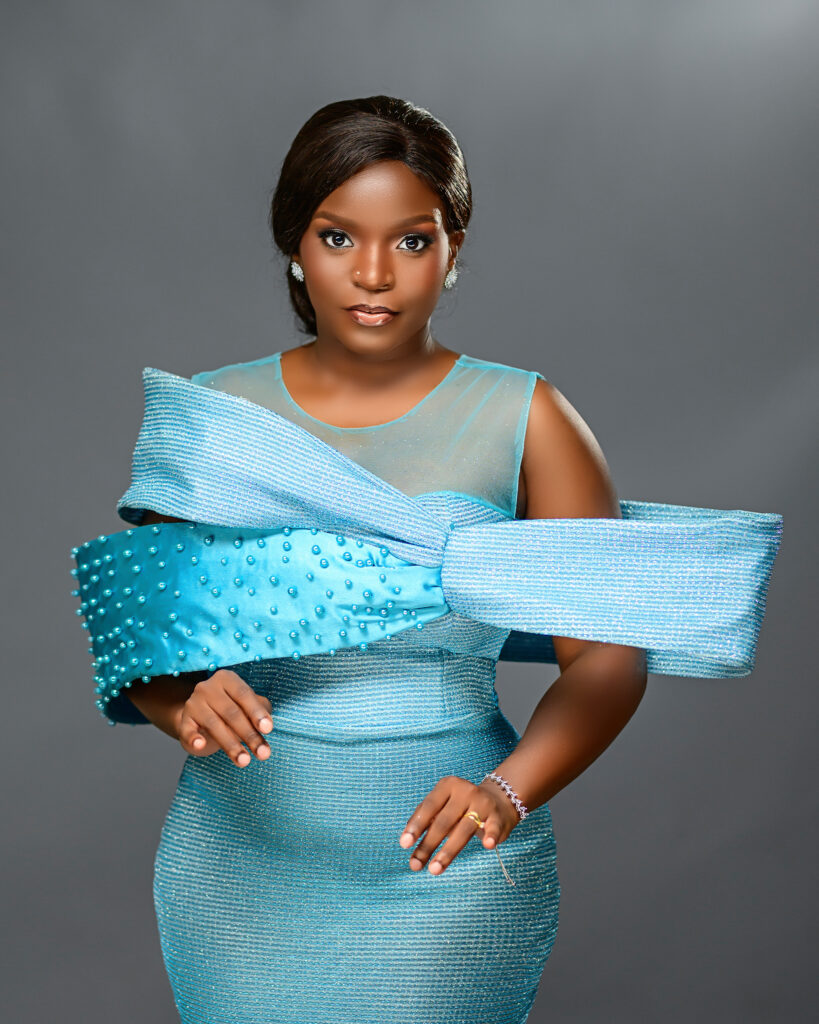
FAB: Let’s take that conversation a step further. You’ve touched on bark cloth and cultural heritage already. What kinds of Ugandan stories do you feel remain underexplored on screen?
Eleanor Nabwiso: There are so many. For me, one of the biggest gaps is our history. We have countless stories that deserve to be told, from Uganda’s political leaders and national heroes to the people who designed the national anthem and national flag. There are major historical events, places, and moments that have shaped the country, yet very few of them have been explored through film.
I also think we’re only scratching the surface when it comes to folklore. In many ways, that’s exciting because so much remains untouched. Uganda is incredibly diverse, with numerous cultures, traditions, and oral histories. Every region has stories that could inspire films.
The stories I heard growing up about forests, animals, spirits, communities, and everyday life still have enormous potential. Whenever I hear a traditional story, I immediately imagine how it could be adapted for the screen.
The challenge, once again, is cost. Folklore and historical productions require significant investment. They demand costumes, locations, research, and world-building. But I believe the time will come when people recognise the value of preserving our culture through film and begin investing in these stories.
When that happens, we’ll finally see more Ugandan folklore, more historical dramas, and more stories about the people and events that shaped our nation. We have an incredible archive of stories waiting to be told. It’s only a matter of time before they reach the screen.
Using Film to Challenge Silence Around Gender-Based Violence and HIV
FAB: There is often pressure for African films to focus on trauma, poverty, or struggle in order to gain international attention. Have you ever wrestled with that tension as a filmmaker?
Eleanor Nabwiso: Not really. When we started Nabwiso Films, our vision was to change people’s lives through film. That meant telling stories differently and using important topics to spark conversations.
Where I come from, many subjects are considered taboo. People do not openly discuss gender-based violence, HIV/AIDS, or the challenges they face in their marriages. Many suffer in silence. The first film I produced was Bed of Thorns, which focused on gender-based violence. My goal was not to seek sympathy. I wanted to encourage people to speak up and let them know they should not suffer in silence.
At the time, gender-based violence was a major issue in Uganda. When I screened the film, it was very well received, not only in Uganda but internationally as well. I submitted it to several festivals, and it eventually reached London. I attended the London Eye Film Festival, where we won Best African-Focused Film.
After the award, we were invited to the BBC. During the interview, the host said something that stayed with me: “This film is not just about Uganda. Gender-based violence is a global issue.” When we organised a screening in London, more than a hundred people filled the hall. They connected with the story because they understood the issue, even if it had not been openly discussed in their communities.
That experience reinforced my belief that film should spark conversations about issues people often avoid. My goal has never been to seek pity. I want audiences to discuss difficult subjects, seek advice, access support, and find solutions.
That approach has shaped all of our films. Rain, for example, addressed HIV/AIDS. We entertain audiences first, but afterward they begin reflecting on the deeper message. They realise the story was about something much bigger.
I do not believe in sympathy votes or portraying a country as poor simply to attract attention. People travel now. They can see both the challenges and the successes of any country. Every nation has its struggles and its triumphs.
Personally, I believe in stories of growth and resilience. I want to tell stories about people overcoming challenges, finding opportunities, and transforming their lives. Those are the stories that inspire me. Every film we create aims to entertain, inform, and spark meaningful discussion.
That said, I do not think there is anything wrong with portraying poverty or hardship if it serves the story honestly. A film like The Boy Who Harnessed the Wind is a great example. It is not a story designed to attract pity. It is a story about determination, innovation, and success. Ultimately, it is a victory story. Those are the kinds of stories I believe we should continue telling.
FAB: As you’ve rightly pointed out, many of these subjects are considered taboo, and people are often discouraged from talking about them. What responsibility comes with telling stories that many women silently live through? What was that experience like for you?
Eleanor Nabwiso: I love hearing audience reactions. Whenever I premiere a film, I sit at the back of the cinema during the first screening because I want to experience those genuine moments of surprise. I love hearing people whisper, “Oh, that’s what this story is really about,” or seeing them react emotionally as the message unfolds.
The most demanding part of the process is the research. I spend a lot of time making sure I approach every topic accurately and responsibly. I want to use the right language and represent people with dignity and respect.
For example, certain organisations have guidelines on how to speak about people with disabilities or other marginalised groups. I pay close attention to those details. I also research cultural contexts. Why does this story take place in a particular community? Is the issue common there? Will the audience connect with it? Will the message land the way I intend?
Research is actually my favourite part of filmmaking. It gives me an opportunity to speak with people from different walks of life. Sometimes I speak with friends or family members. Other times the inspiration comes directly from the news. I might see a report and ask myself, “Is anyone talking about this issue?” How are people addressing it?”
Those conversations help me understand the realities people are living through. Once I have gathered those stories and insights, I feel confident that audiences will connect with the film because it reflects experiences that are already happening around them. That is usually the process I go through when creating these films.
Why More Women Belong Behind the Camera
FAB: You also directed a production with an all-female crew. In an industry that remains largely male-dominated, how were you able to pull that off, and what inspired that decision?
Eleanor Nabwiso: At the time, there was a strong conversation around Women’s Day, Mother’s Day, gender equality, and women taking up more space in different industries. Many women in Uganda saw acting as their primary path into film. They wanted to be in front of the camera, but very few considered careers behind the scenes. People rarely talked about women operating cameras, recording sound, directing, editing, or producing.
I wanted to challenge that mindset. I wanted to show that if a man can do those jobs, a woman can do them too. Women can hold cameras, record sound, direct productions, edit films, and lead projects from start to finish.
With Bed of Thorns, I wanted to achieve two things. First, I wanted to raise awareness about gender-based violence and start a conversation around the issue. Second, I wanted the production itself to demonstrate the capabilities of women in the film industry.
That is why we assembled a predominantly female crew. The camera operators were women. The sound team included women. The makeup artists, costume designers, and many other crew members were women. We came together to create something meaningful.
I wanted to make enough noise to show Uganda that women belong behind the scenes as much as they belong in front of the camera. You do not have to become an actress to build a successful career in film. You can operate a camera, edit footage, manage sound, produce projects, and earn a living doing it.
More importantly, I wanted women to see that they could tell their own stories. They could raise important issues, spark conversations, and contribute to the industry in powerful ways. That project encouraged many women to see new possibilities for themselves, and from there the journey continued.
After Bed of Thorns, we produced Heartbeat, which explored the experiences of women giving birth in hospitals and dealing with rude or dismissive midwives. We wanted to spark conversations within healthcare spaces.
We also produced Prickly Roses, which focused on women working on flower farms and earning low wages. The film encouraged discussions between workers, employers, and policymakers. People enjoy receiving roses, but many never think about the conditions faced by the women who pick them. I could go on. Most of our films address issues affecting women and communities. Each story is designed to spark discussion and encourage change.
FAB: What has being a woman in film taught you about power and survival?
Eleanor Nabwiso: I’ve had a blessed journey in film because I’ve always wanted to lead. When I believe in something, I stand my ground. I always tell people that you do not have to fight your way into a room full of men. You have to earn your place in that room, and you do that by mastering your craft.
I have studied every aspect of filmmaking. I’ve learned camera work, lighting, sound, acting, directing, and producing. I’ve explored every stage of production and embraced continuous learning, including scriptwriting and professional masterclasses. Even in my free time, I watch interviews with directors, study their journeys, and learn from their experiences.
For me, success comes from constantly improving your skills so you can sit confidently among people who know their craft. It is not about being a woman or a man. It is about competence. Keep learning, keep studying, and keep adding to what you know because learning never ends.
Film is much like technology. It evolves constantly. New phones replace old ones. New computers emerge. Operating systems change. The same thing happens in filmmaking. We have moved from small Sony cameras to Blackmagic and Arri systems. If you want to stay relevant, you have to keep improving.
As a woman, I do not see myself competing for a seat at the table. I focus on mastering my craft. When you know what you are doing, people stop and listen. When you do not, people overlook you. That is why I continue to study. I know my craft, and when I walk into a room full of men, I have a voice.
Eleanor Nabwiso on Balancing Family, Fame, and Filmmaking
FAB: You and your husband have become one of the most recognizable creative partnerships in Uganda. What are you doing differently that others might learn from when it comes to protecting love from the pressures of ambition and public life?
Eleanor Nabwiso: My husband is an actor as well, and we met on set. The most important thing is that we became friends first. We spent time helping each other rehearse, practising scenes, and reading scripts together. Our relationship grew from friendship, and that foundation has been incredibly important.
What we do differently is maintain clear boundaries between our marriage and our work. We separate being husband and wife from being business partners, producers, directors, or actors. At home, I am a wife and a mother. I do not neglect my family because of my professional achievements. I understand my responsibilities at home, and I embrace them fully.
When we step into a meeting or onto a production set, we become colleagues. We focus on business because our company is our livelihood. Our discussions are guided by what benefits the company and helps it grow. Whenever disagreements arise, we ask a simple question: does this move the company forward? We do not waste time trying to win arguments. If someone presents a stronger idea that will help the business grow, that idea wins. It is not about ego. It is about results.
We also maintain professional respect on set. Many couples struggle because they bring their personal dynamics into the workplace. We do not do that. If I am the producer, I lead in that role. If he is the producer, he leads. We respect the structure and protocols of the production.
For example, if communication should go through an assistant, we follow that process, regardless of the fact that we are married. We have delegated responsibilities, and we respect each other’s roles. We can discuss personal concerns at home, but on set we remain professionals.
We decided early on that film would be our shared focus. Every major decision comes back to the same questions: Does this work for the company? Does this work for us as a couple? Will it move us closer to our goals?
We are in the public eye, but we are not trying to create an image. We have worked hard to build what we have. We stay focused on our vision and the goals we set from the beginning. Whenever we feel ourselves drifting off course, we remind each other why we started, what we are building, and what is best for our future. That clarity keeps us moving forward.
FAB: Somebody wants to be a diva at some point, and somebody wants to have the veto power of saying, “I am your husband, and whatever I say is final.” Then someone else says, “Do you not even care about me?” It is easy to talk about boundaries, but it is also human to stretch them, cross them, or even abuse them. Was there a period of growth for you or your partner in navigating those challenges?
Eleanor Nabwiso: Before we head out to work, we discuss what is going to happen on set and how things will unfold. There have been situations where I had to perform intimate or romantic scenes with another actor while my husband was directing. But Matthew understands what serves the story and what makes a film work. When he is on set, he is not my husband; he is the director.
The same principle applies to me. Once the cameras stop rolling and they call “cut”, it becomes about respecting our marriage and our relationship. Both of us have played different roles alongside different actors over the years, but at the end of the day, mutual respect is what matters. You understand that the work ends when the scene ends.
Professionalism is important. If someone crosses a line on set, you address it immediately. I am comfortable saying, “I think you should speak to my assistant first,” because boundaries matter. If you react emotionally in front of an entire crew, you risk losing your dignity and creating unnecessary tension.
Of course, people are human and can lose their temper, but that is not how we operate. Most of the productions we work on are created, written, or developed by us and our team. We know the story, where it is headed, and how we want to execute it. Acting is about creating believable moments. You cannot do that if you are constantly questioning the process.
You also have to remember how you met. We met in the industry. I am an actress, and he is an actor. The reason we draw boundaries is because we respect each other’s work. As long as there is respect for our marriage and our relationship, there is no reason for problems to arise.
Honestly, we have never had major misunderstandings about our professions because we plan together and work closely together. The bigger challenge is balancing family life and work life. We take turns for work. If Mathew is taking a much busier role, I take a less busier role so that I get to be with the children more and vice versa.
We give each other time off. That is one of the advantages of owning our own company. Some days I focus on being a mother while he focuses on work. Other days he takes on parenting responsibilities while I step into the field. We share the load and manage our roles together.
FAB: In all of this, what part of yourself have you had to fight hardest to preserve while balancing career, family, and public expectations?
Eleanor Nabwiso: Honestly, it is my sanity and my health. People often ask me how I manage to do it all, and my answer is always the same: balance comes from structure. I schedule everything. I schedule my work, my family, and my personal time.
At home, we have routines for everything. We know when the children wake up, when breakfast is served, when it is time for lunch, dinner, snacks, and bedtime. We have followed that structure since the children were born. It creates enough space for family time, one-on-one time with the children, and time for my husband and me.
Scheduling has been one of the biggest tools in helping us maintain balance. The other priority is health. I believe in staying hydrated, exercising, and taking care of myself physically and mentally. Public life comes with pressure. There is always scrutiny and curiosity about your personal life. You have to decide how much access you want to give people. I believe strongly in privacy. The more you reveal, the more people expect from you, and that can become exhausting. Protecting your peace is important.
I also believe in mindfulness and self-reflection. I regularly ask myself important questions: Who am I? What do I want to become? Where do I want to be in a few years? What is affecting me? How am I affecting the people around me? What do I need to change about myself? Reflection helps me stay grounded and focused.
The challenge of balancing everything never completely disappears. It is an ongoing process. But having clear schedules, prioritising our health, and owning a company that allows us to support one another have made a huge difference. We can take time off when needed, help each other manage stress and fatigue, and create space to recharge when life becomes overwhelming.
FAB: Speaking about public image, what is something people often misunderstand about you? Are there assumptions people make because of how they see you on screen?
Eleanor Nabwiso: A lot, actually. People have watched me grow on their screens since I was 19 years old. Because of that, I never really had the chance to control how people perceived me or what they thought I was like.
Most of the misunderstandings come from the characters I portray. I sometimes find it difficult to make new friends because someone will meet me and immediately say, “You acted so well in Sanyu.” Then I find myself wondering, do you want to know Eleanor Nabwiso for who she is, or do you want to meet Lucy, the character I played?
Sometimes people react to me based on a role. I might walk into a place and get strange looks because I played a villain. People will say, “I hate you, I hate you,” and I just smile because I know they are reacting to the character, not to me.
I remember when I played Hope in The Hostel. The character was a born-again Christian, and whenever I went to a bar, people judged me. They would say, “Why are you here? Go to church.” People can become so attached to characters that they struggle to separate fiction from reality.
For me, that has always been the biggest misunderstanding. People often judge me through the lens of the roles I play. But I have never tried to be anyone other than myself. I put myself out there authentically, and I am grateful that people have embraced me as Eleanor Nabwiso Nabwiso while also appreciating the characters I bring to life.
At the same time, when people confuse me with a character, I take it as a sign that I did my job well. It means I portrayed that role convincingly. The challenge is simply that some people refuse to distinguish between the actor and the character.
FAB: What kind of stories make you cry these days?
Eleanor Nabwiso: I’ve always loved drama, and that hasn’t changed. The stories that move me most are the ones that feel real, the ones you can relate to and recognize in everyday life.
I love stories that spark conversations. Recently, I watched It Ends With Us, and it made me cry. I also watched Fair Play and The Wife. These are films that address issues people have lived with for years but often avoided discussing openly.
When I watch those kinds of stories, I become completely immersed. I’ll find myself leaning forward in my chair, talking back to the screen and saying, “Yes, talk about it.” Then I am crying at the same time. I love real-life drama because it reflects the world we live in and encourages people to have difficult but necessary conversations.
Why Protecting Culture Is the Next Great Responsibility of African Cinema
FAB: From your perspective, what parts of Ugandan culture do you fear younger generations could lose if artists stop documenting them intentionally?
Eleanor Nabwiso: For me, it starts with our traditions. Things have already changed significantly. We no longer live the way our grandparents or even our parents did.
Language is another concern. Many children today grow up speaking English because that is what they learn in school and use with their friends. If our films are also primarily in English, we risk losing an important connection to our mother tongues and cultural identities.
That is why I believe we need more stories about our cultures, traditional beliefs, and history. Young people need to understand where we come from, why certain traditions exist, and how our communities have evolved over time.
My fear is that if filmmakers stop documenting these stories, they will gradually lose their value. Many young people are moving toward Western lifestyles, and some are becoming disconnected from their cultural roots. Film has the power to preserve those connections. If we do not intentionally tell these stories and include them in our films, we risk losing an important part of who we are.
FAB: Finally, you’ve been on screen since you were about 19. Many years from now, when the Ugandan film industry has grown even further and historians are documenting its history, what do you hope they will say about your contribution to Ugandan cinema?
Eleanor Nabwiso: I hope my contribution will be remembered and recognised. In many ways, I already feel fortunate because universities and researchers reach out to me for interviews, studies, and academic projects related to film. It means a lot to be appreciated while I am still here to experience it.
When people look back on my work, I want to be remembered as someone who used film to spark important conversations. I want to be remembered as a woman who challenged narratives and encouraged audiences to think differently.
I also hope people will remember me as someone who helped expand the reach of Ugandan cinema beyond our borders. I want Ugandan films to continue crossing boundaries, reaching international audiences, and earning recognition around the world.
Most importantly, I would like history to remember me as someone who contributed to meaningful change within the industry. Even as the industry evolves, I hope people will look back and say that Eleanor Nabwiso was among those who helped shape a new chapter for Ugandan film.