

As the world marks International Women’s Day, stories of women who have shaped their fields through dedication and quiet influence take on renewed meaning. Few dance teachers speak about movement with the depth and clarity of Bibi Jung.
With more than three decades of experience as a dancer, educator, and adjudicator, Jung has developed a philosophy that places awareness, artistry, and patience at the centre of dance training. Her journey reflects not only a lifelong commitment to movement but also the resilience and leadership that women bring to the arts.
In this exclusive interview, she reflects on childhood memories of dancing in her family home near Klagenfurt, the founding of her competitive dance club UTSC Starlight, and what truly separates technically strong dancers from unforgettable performers.
Early Memories: When Movement Became Meaningful
FAB: Do you remember the first moment movement felt like more than just play?
Bibi Jung: I remember it clearly. I grew up in the countryside near Klagenfurt in southern Austria. We lived in a large house with a spacious living room. I would dance there in front of my parents whenever they played music. At that age, the type of music did not matter. I simply loved to move.
I still picture my parents sitting on the sofa, watching me and laughing with joy. That was my first awareness of movement as something meaningful.
We had large glass windows in the living room. At night, when it was dark outside, I could see my reflection in the glass. We did not have big mirrors, so I used the window as one. I would stand in front of it and watch myself dance against the dark sky. That reflection made me aware of my body in space. It was the first time I understood that movement could express something beyond play.
FAB: After more than three decades in dance, what still excites you when music begins?
Bibi Jung: I grew up in a musical family. My grandfather was a conductor and composer who led a choir of about one hundred and fifty singers. In the 1950s and 1960s, it was one of the well-known choirs in Austria. Music surrounded us constantly. People gathered to sing in quartets, quintets, and larger groups. My grandmother had a beautiful solo voice. Singing filled our home.
When my sister and I were six or seven, our parents encouraged us to learn an instrument. We both chose piano. After two years, I realised it did not feel right for me. I asked to play the cello, even though I did not really know what it looked like. My parents found a small cello because I was tiny at the time. I began playing at eight or nine years old and later studied music formally.
Music has always been part of my life, but dance became my true path. I lived in London and the United States; continued my education; and dedicated myself fully to movement.
Today, music still moves me deeply, but in a different way. I listen to music all day for work. In my private life, I choose music that nourishes me emotionally. I prefer independent music and jazz. When the rhythm feels right and the melody touches something inside me, I feel as if a flower opens within me. That feeling still excites me. It reminds me why I began.
The Body as an Instrument of Expression
FAB: Through dance, what have you learned about your body that you might never have discovered otherwise?
Bibi Jung: Dance has given me a profound awareness of my body. It is not only about posture or avoiding injury. It is about sensing the body from multiple centres: the upper body, the spine, and the lower centre. Every step carries intention.
I experience the body as volume, not just as limbs moving in space. Each rehearsal deepens that understanding. We do not work only on technique. We work on legs, shoulders, spine, breath, and inner alignment. Everything connects.
Through daily practice, I continue to discover something new. The body offers endless possibilities. Dance feels like assembling a puzzle, piece by piece. Each experience adds another layer of awareness.
This journey has no final destination. The fulfilment lies in the process itself. For some people, fulfilment comes through sport or painting. For me, it comes through exploring the soul within the body. Physical training strengthens muscles, but dance also strengthens perception, emotion, and presence. That deeper exploration keeps me engaged every day.
Teaching Patience in the Age of Instant Results
FAB: You are a teacher. Today we live in a culture that demands instant results. Everything moves fast, and technology promises quick outcomes. How do you teach patience in a discipline that requires repetition and time?
Bibi Jung: It is one of the biggest challenges in teaching today. Many students want immediate results. They want a perfect image, a finished performance, and they want it now. This mindset appears in children, teenagers, and adults alike.
In dance, progress cannot be rushed. I guide students step by step and bring their attention back to the body. When they begin to sense what is actually happening inside their movement, something shifts. They start to listen. They realise that creating something beautiful takes time.
The body cannot be forced. It needs awareness and repetition. When I work with someone, I can sense where tension blocks movement or where connection from foot to head is missing. That is where we begin. Often students do not even know why they came. They may have seen a performance online and want to copy it. But real learning feels like diving into deep water. Each person decides how far they are willing to go.
When students begin to notice what they feel, or what they cannot yet feel, they develop patience naturally. They understand that depth matters more than speed. That realisation creates calmness and focus.
Founding UTSC Starlight
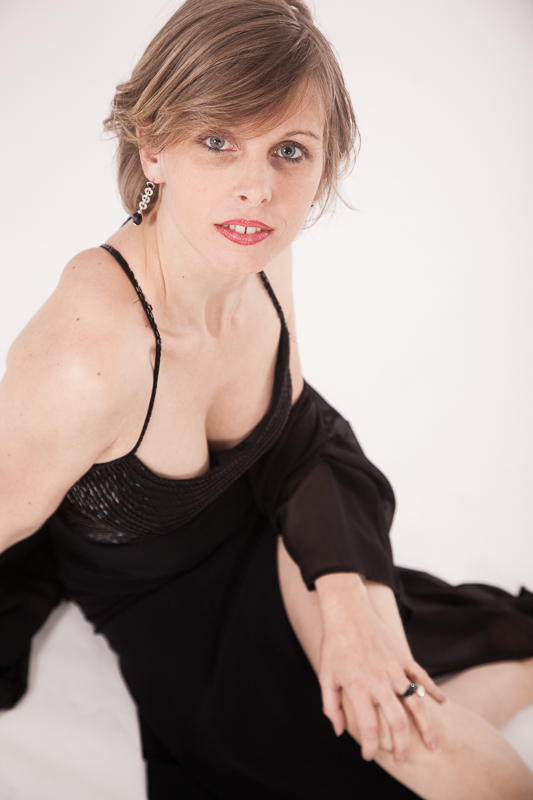
FAB: Let’s talk about UTSC Starlight. Founding that club marked an important turning point for you. What vision were you trying to build that did not yet exist?
Bibi Jung: I created UTSC Starlight as a competitive dance club for people who want to pursue dance seriously. It is not a social dance school, although I also run one. The club focuses on helping dancers reach specific competitive goals.
Today’s dancers grow up in a world of constant visual stimulation. They swipe through videos and believe they can reproduce what they see instantly. When they cannot, they feel frustrated. They chase the final image instead of understanding the process behind it.
When I was young, learning felt different. Travelling to London or the United States was an adventure. We anticipated what we might discover. That sense of surprise fuelled growth. Today, everything feels immediate, and that immediacy changes how people approach learning.
My vision was to restore curiosity and depth. I want dancers to feel excitement when they discover something new. I want them to explore their own path rather than copy the mainstream.
I also see a strong global trend toward solo dancing. Solo work helps dancers discover themselves, but partnership teaches connection, cooperation, and shared responsibility. In couples dancing, the push and pull between two people creates something powerful. It teaches listening and mutual awareness. I want to preserve that value within competitive dance.
FAB: You have taught children, teenagers, and adults for over thirty years. They all learn differently. What surprises you most about teaching across generations?
Bibi Jung: The biggest surprise comes from those moments when someone fully commits. I have taught children as young as three and adults as old as eighty-nine. Age does not determine potential.
I teach every student with the same quality and attention, whether they are beginners or world champions. The difference lies in what they give back. Teaching feels like throwing a ball. I offer guidance and energy, and then I wait to see what returns.
Sometimes a beginner suddenly reveals unexpected depth. Sometimes an experienced dancer makes a breakthrough at the moment you least expect it. Those moments still surprise me after all these years.
For me, it is never about age or level. It is about engagement. When a student truly jumps into the experience, something extraordinary can happen. That exchange keeps teaching alive and endlessly interesting.
FAB: So far, who sends the funniest balls back: children, teenagers, or adults?
Bibi Jung: The funniest surprises often come from beginner children. Sometimes coordination feels very difficult for them at first. Then they return a week later, and I can see they practised at home, probably in front of a mirror or a window. Suddenly something connects. Even without extraordinary talent, their interest and determination shine through. That transformation always moves me.
Adults surprise me in a different way. When you work closely with people, you learn about their lives, their struggles, and their emotions. Sometimes those experiences surface during a performance. I once taught an Argentine Tango student who was over eighty years old. He walked to class through the winter cold every week. Watching him dance with such commitment was deeply emotional.
There are also powerful moments with champions who compete internationally. When they step onto the floor and fully apply what you worked on together, you feel it immediately. That connection is intense.
The surprises do not depend on age or level. They appear when someone truly commits. Even after all these years, those moments still catch me off guard.
FAB: What fears do beginners bring into a dance class, and how do you help them overcome them?
Bibi Jung: Many beginners arrive with self-doubt. They say, “I cannot dance” or “I will never learn this.” The fear usually comes from comparison. They see advanced dancers and assume they must reach that level immediately.
I never force anyone to join. The first step must come from them. They need at least a small desire to try. I usually begin with a private conversation and a private lesson. That allows me to understand who they are, what they enjoy, and what they hope to achieve.
When I speak with them, I gather important information. When I guide them physically, I understand even more. I sense where tension blocks movement and where awareness is missing. Then I adjust my teaching to meet them exactly where they are.
Dance is not about competing with a world champion. It is about learning to move. Everyone can learn movement. Not everyone will become a professional, but everyone can take steps, whether large or small. Talent plays a role, but it is a small one. Awareness matters far more. When people learn to feel their bodies and trust themselves, fear begins to fade.
Technique vs Artistry in Dance
FAB: As an adjudicator, what separates technically strong dancers from unforgettable ones?
Bibi Jung: Strong technique forms the foundation. I often explain this through music because I play the cello. Anyone can learn the technical skills required to perform a piece by Johann Sebastian Bach. With discipline, you can master the notes and the structure.
Dance works the same way. Dancers must understand the character of each style. A rumba requires a different interpretation of hips, upper body, and rhythm than a samba does. Learning these details takes years of focused work.
However, technique alone does not create an unforgettable performance. The decisive difference lies in artistry. At a certain level, dancers must add their personality without losing the essence of the dance or the music. This balance is delicate. If they exaggerate too much, they distort the character. If they hold back too much, the performance feels empty.
The instrument remains the same. The body remains the same. What changes is the depth of interpretation. Life experience, exposure to other art forms, and even sport all impact that individuality.
Unforgettable dancers combine precision with authenticity. They respect the structure of the dance, but they allow their own voice to emerge within it. That is where technique transforms into art.
Cultural Differences in Dance Around the World
FAB: You have travelled around the world, to America, London, and other countries. What cultural differences have you observed in how countries approach dance and performance?
Bibi Jung: The differences are significant. In Eastern countries such as Russia, Ukraine, and Poland, people live very differently from those in Western Europe. Their values influence how they present themselves. Often, what they show publicly differs from their private lives. Some face difficult living conditions, so they invest enormous energy into dance as a path forward. That creates a strong drive and intensity, even today.
Western countries live differently, although life is not easy for everyone there either. In Italy, for example, people express strong emotion and sensitivity. They feel deeply connected to their national culture, much like the French. These countries create and celebrate their own music and style. You can hear this pride in their languages. They protect their language and culture more closely than many Western European countries.
America feels very show-orientated. The best parties I have attended were in the United States. I visited Las Vegas twelve times for competitions, and the parties there had an energy I rarely see in Europe. In Europe, people approach events in a more intellectual and serious way. In America, dance is a lifestyle. In Europe, many people treat it more as a cultural activity, especially in the middle class.
There are also clear differences in discipline. In Eastern countries, teachers train children very strictly. Austria does not follow that model. Children here grow up in a more comfortable environment.
The Future of Dance Training
FAB: What worries you about the future of professional dance training?
Bibi Jung: Professional training focuses too much on appearances. It no longer grows from personal expression. Instead, it follows images. That reflects society today. People want perfection on the outside and ignore the inner work that creates true artistry.
Dancers need to understand that the outer result grows from inner development. They should explore their own personality instead of copying others. When everyone looks the same, dance becomes boring and impersonal.
Marketing works the same way. When every company presents itself in the same way, nothing stands out. Universities often teach students to follow the same model, and companies continue that pattern. Individual character disappears.
Professionals must take responsibility. Teachers, judges, and established dancers influence the next generation. Children observe their idols and imitate them. My own three children scroll through images, see something they like, and want to look the same. They rarely ask what makes them unique.
The problem with images is that they capture a single moment. A photograph may look perfect, but it does not show the full movement. Movement begins long before the camera captures it. That loss of depth concerns me most.
FAB: Some say dance healed them. In your own journey, what has dance healed in your life?
Bibi Jung: Dance strengthened my body. Years of sitting while playing the cello and studying created posture problems. Sitting for long periods puts pressure on the spine and muscles. Dance restored flexibility and strengthened my spine. It stretched different muscle groups and improved my overall mobility.
Dance also expanded my thinking. I read historical books about movement and studied figures such as Isadora Duncan, who influenced modern dance and theatre. All forms of dance share common roots. Understanding those connections freed my thinking. Dance taught me to adapt, to analyse, and to respond creatively to new situations.
On a deeper level, dance brings joy. I love getting up in the morning and going to work. Even on difficult days, I leave the studio happy. Dance consistently lifts my spirit.

FAB: When your students remember you years from now, what do you hope they carry with them?
Bibi Jung: I hope they remember my positive energy and my belief in possibility. I want them to remember that I gave one hundred percent of my best and encouraged them to do the same. Most of all, I hope they carry the mindset that anything is possible.
FAB: Finally, after a lifetime devoted to movement, what does dancing mean to you today that it did not mean when you first began?
Bibi Jung: Today, dancing represents freedom more clearly than ever. It gives freedom to my body, my soul, and my mind. I cannot imagine my life without it. I feel happy every time I move. Teaching brings joy, but so does dancing alone at home. Dance connects me to the present moment and reminds me that I am alive.
FAB: If dance could speak, what do you think it has been trying to teach humanity all along?
Bibi Jung: Dance teaches freedom in every sense. It opens doors without limits.