Fashion in 2025 was less about what you wore and more about who you were wearing and what it meant. This year, the industry completely shattered its old hierarchies, embracing a blend of dramatic designer musical chairs, viral celebrity co-signs, and a profound global shift toward sustainability and personalized luxury. It was a season of breathtaking debuts and culturally resonant moments that moved fashion firmly out of the atelier and into the cultural conversation.
From the quiet seismic shifts in Paris to the global roar of African excellence, here are the most influential fashion moments of 2025 that defined the year and set the blueprint for the decade to come.
The Changing of the Guards (Designer Debuts and Departures)
The biggest talking point of 2025 was the power restructure at some of the oldest European luxury houses. New creative directors arrived, injecting fresh tension and direction.
1. Jonathan Anderson’s Dior Debut
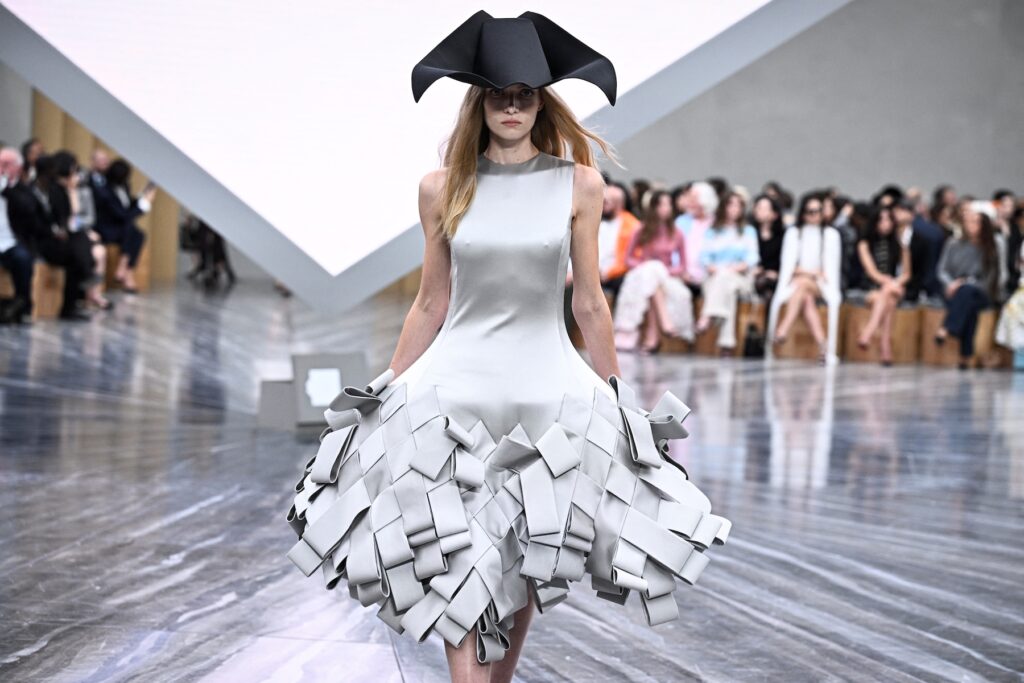
The most highly anticipated collection of the year was undoubtedly Jonathan Anderson’s debut at Dior. His eight-year tenure at LOEWE was a masterclass in intellectual, artisanal fashion, and his move to the revered French Maison promised a radical yet respectful new chapter.
Anderson delivered an unexpectedly playful yet beautifully tailored collection. He introduced a new Dior silhouette that emphasized bold volumes (like the bubble mini-dress) and surrealist accents, all while maintaining the core femininity of the brand. The collection’s influence was immediately felt, signaling a return to structural experimentation over purely commercial trends.
2. The Final Bows: Chiuri and Armani’s Profound Exits
The emotional bookends of the year were marked by major departures. Maria Grazia Chiuri closed her chapter at Dior with a thoughtful, beautifully feminine collection, emphasizing craftsmanship and quiet strength. Meanwhile, the passing of Giorgio Armani in September marked a profound moment of reflection. His final Milan show was a beautiful, piano-accompanied tribute to an enduring icon who built a global empire on the foundation of elegant, essential tailoring. The moments forced the industry to pause and acknowledge its own history.
3. Demna’s Gucci Debut
In another major move, Demna, the iconoclast behind Balenciaga’s resurgence, debuted his vision for Gucci. The collection delivered the unexpected tension, sharp tailoring, and subversive sexiness the House had been quietly missing. It was a bold statement, promising a future for Gucci that balances its maximalist past with a contemporary, unsettling edge.
The Global Culture Shift (Content that Converts)
The most influential moments transcended the runway, leveraging celebrity, technology, and cultural narratives to create content that traveled at the speed of light.
The most significant cultural moment came from outside the traditional fashion capitals. When Omoyemi Akerele and Lagos Fashion Week (LFW) won the prestigious Earthshot Prize in the “Build a Waste-Free World” category, the global industry was formally notified: African fashion is not just creative, it is foundational to the future of sustainability.
This £1 million grant confirmed that the continent’s commitment to circularity, local craftsmanship, and low-waste production is the blueprint for responsible luxury. It drove unprecedented interest from global buyers and editors, solidifying LFW’s position as a powerhouse of innovation.
This was beautifully amplified by the unforgettable sight of superstar Ciara closing the Fruche show in a breathtaking, red, pleated gown, merging global star power with Nigeria’s unique textile heritage.
5. The Return of the Bag Charm and Labubu
In a delightful counterpoint to “Quiet Luxury,” the most viral accessory trend was the triumphant return of maximalist personalization. Forget micro-bags; the focus shifted to decorating your existing accessories.
Brands across the spectrum leaned into whimsical, joyful, and often chaotic bag charms, transforming every tote into a tiny museum of personality. The Labubu plush toy, often seen dangling from the most expensive Hermès and Chanel bags, became the unexpected symbol of the fashion insider, showing that true influence often comes with a playful wink and a sense of humor.
6. Zendaya’s Mugler Fembot and Ayo Edebiri’s LOEWE Homage
Red carpets continued to serve as the ultimate cultural amplifier, but the influential looks were rooted in fashion history and intentionality. Zendaya’s decision to wear the archival Thierry Mugler fembot suit for a Dune: Part Two premiere was a masterclass in styling. It fused futuristic themes with a profound respect for a boundary-pushing legacy, reminding the world that the past holds the key to the future.
Ayo Edebiri channeled peak 1990s Julia Roberts in a stunning LOEWE look at the Golden Globes, complete with a repurposed gold feather headdress. It was a perfect homage that showed modern charm and sophistication, proving that the most influential style moments are those that tell a clever, visual story.
Recommended For You
The Aesthetic Battlefield (Key Stylistic Trends)
The style of 2025 was defined by the ongoing tug-of-war between two extremes: comfort and dramatic spectacle.
7. The New Office Core 2.0
The trend of structured, professional wear evolved. Gone were the overly restrictive pencil skirts of the “Office Siren.” The new Office Core embraced softer, looser tailoring. Oversized blazers, wide-leg trousers, and drapey fabrics replaced sharp, structured suits. Designers championed a blend of sophistication and ease, recognizing that the modern professional wants confidence without constriction.
8. The Sheer and Fluid Fabric Domination
From the red carpet to the street, fabrics were lightened, blurred, and layered. Sheer gowns and translucent garments were omnipresent, but the look was about fluidity and drape, not just nudity. This coincided with the popularity of diaphanous fabrics in collections like those at Dior and Schiaparelli, reinforcing a cultural mood that values softness and movement.
9. The Bubble Hem and Hot Pants Revival
The year saw the unexpected but highly influential comeback of silhouettes previously relegated to fashion history. The bubble skirt and dress, an 80s relic, returned in a modern, less voluminous form, often seen in structured silk or cotton. Simultaneously, hot pants effectively replaced the mini skirt, styled with long coats or tailored separates, proving that Gen Z is continually reinventing the boundaries of perceived ‘bad taste’ into high fashion.
2025 will be remembered as the year that proved fashion’s influence extends far beyond clothing; it is a mirror reflecting global movements in technology, ethics, and cultural identity.