


As we move through the year 2026, the fashion world stands at a crossroads. For many years, the runway was a treadmill of “more, faster, cheaper”. But now, the glamour is wearing off, and the harsh truth is that the fashion industry is responsible for around 10% of global carbon emissions and around 20% of global wastewater.
But the “State of Fashion 2026” is not all negative news. There is a huge move towards the Circular Economy. Regulations in the EU and North America have started to punish the “disposable” fashion industry, and consumers are finally asking to see the receipts—both the financial and environmental ones.
The Industry Audit
| Metric | Current 2026 Standing | The Impact |
| Annual Production | ~100 Billion Garments | Enough to clothe the planet 12 times over every year. |
| Textile Waste | 92 Million Tons Annually | Equivalent to one garbage truck of clothes dumped every second. |
| Microplastics | 35% of Primary Microplastics | Shed into our oceans specifically from synthetic textiles. |
| Wins | +25% Resale Growth | The secondhand market is outstripping traditional retail 3x over. |
The 2026 Shortlist: The Brands Rewriting the Narrative
The following labels aren’t just selling clothes; they are engineering solutions. From the bio-based labs of Germany to the artisan looms of Mali and Nigeria, these are the names defining “Modern Luxury” in 2026.
The Innovation & Tech Pioneers
- Freyzein (Austria): The industry’s petrochemical addiction is finally being challenged. Freyzein is at the forefront of the bioeconomy, replacing oil-based synthetics with high-performance, bio-based materials that actually breathe.
- Paper Shades (Hong Kong): Proving that luxury can be recycled. Their customizable eyewear is made from durable, recycled paper, challenging the notion that high-end accessories must be plastic or metal.
- Kitdo (Hong Kong): Perhaps the most “anti-consumption” brand on the list. Kitdo provides functional, chic restyling tools that allow you to transform existing clothes into new silhouettes, proving the most sustainable garment is the one already in your closet.
The Heritage & Artisanal Guardians
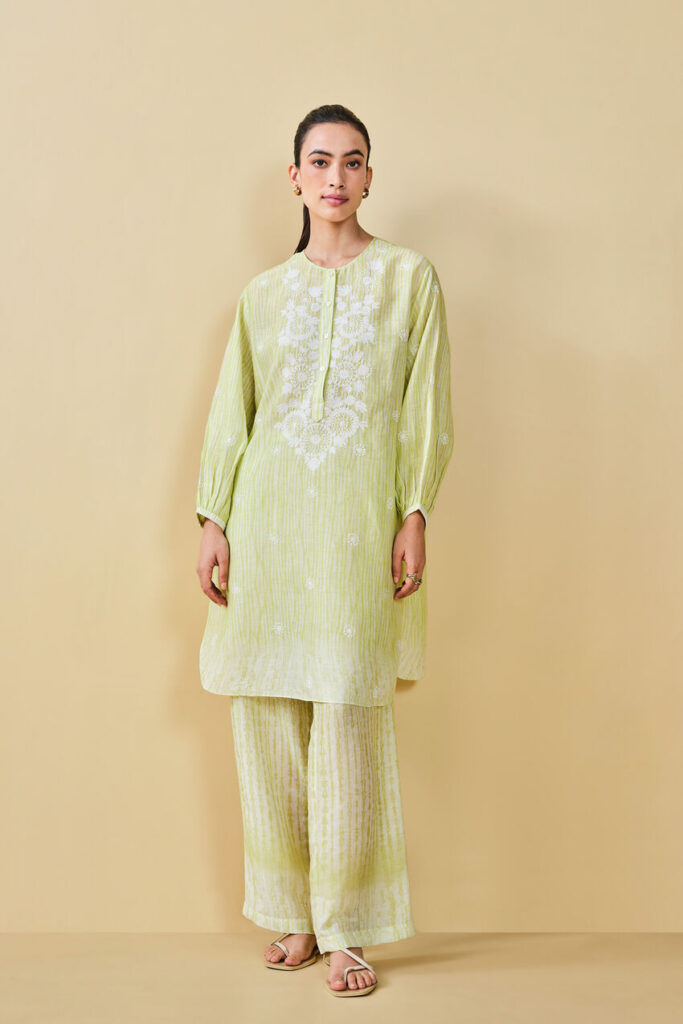
- Grassroots by Anita Dongre (India): A masterclass in “slow fashion.” By utilizing hemp—which is UV-protective, antimicrobial, and requires significantly less water than cotton—Dongre is scaling indigenous crafts for a global market.
- Naaniya (France/Mali): Deeply rooted in the earth, Naaniya uses 100% natural, hand-dyed Malian bogolan (mud cloth). It’s a carbon-neutral process that supports local Malian communities.
- Yevāana (Sri Lanka/Kenya): They breathe life into deadstock cotton through intricate hand-embroidery. It’s a zero-waste approach that turns “scraps” into runway-ready heirlooms.
- Kitu Kidzo & Molivian (Kenya): These labels are the heartbeat of the East African conscious design movement, focusing on local production chains that minimize transport emissions.
- Bags With Legs (Austria): This Vienna-based label is a beautiful example of social circularity. They collaborate with refugee women to create handmade, conscious products, ensuring that “sustainability” includes human dignity.
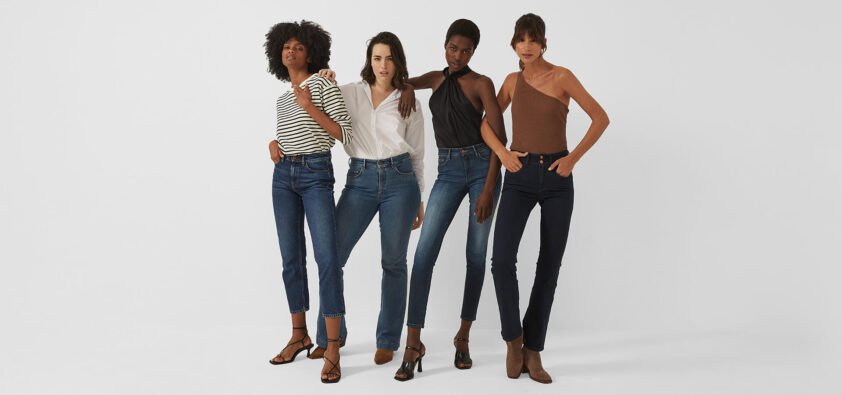
- Trigema (Germany) & Salsa Jeans (Portugal): These brands are proving that “Local” is the new “Global.” By keeping production within Europe, they maintain high labor standards and a drastically reduced carbon footprint compared to trans-continental shipping.
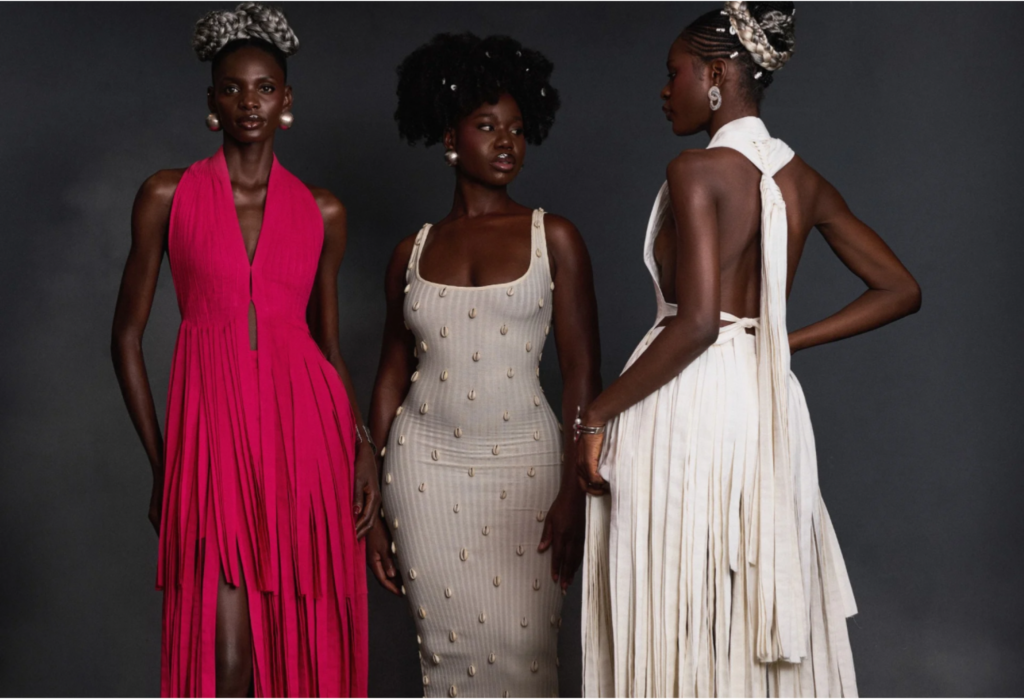
- Hertunba & Elexiay (Nigeria): A highlight of the 2026 Lagos Fashion Week, these brands place longevity at the core. Elexiay’s crochet work is entirely handmade, ensuring that every piece is a slow-fashion masterpiece meant to last decades.
The Conscious Contemporary Leaders
- Outerknown (USA): Founded by pro-surfer Kelly Slater, they are the gold standard for transparency. With over 95% sustainable fibers, they prove that high-volume brands can still be high-integrity.
- SAMARA (Canada): A leader in the vegan luxury space. They utilize water-based PU and recycled materials to create minimalist bags that don’t rely on the harmful chemicals usually found in traditional “vegan leathers.”
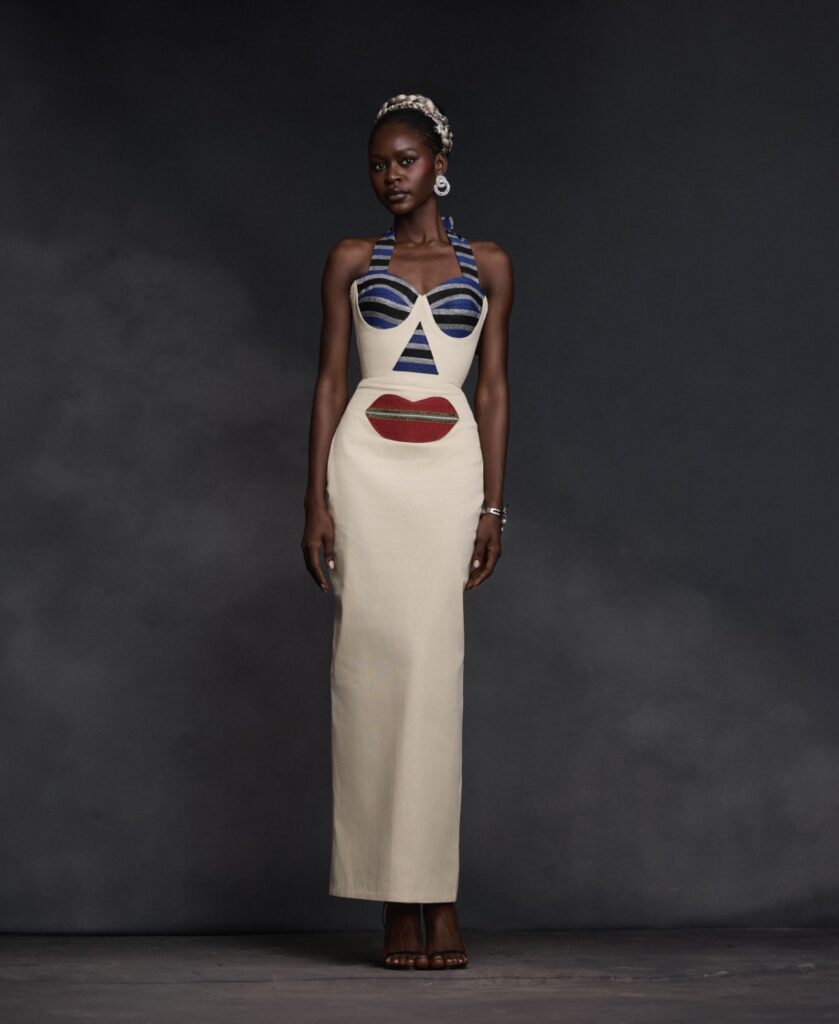
- Wanni Fuga (Nigeria): A key player in the 2026 global runway circuit, Wanni Fuga blends contemporary African aesthetics with localized, ethical production.
- Triumph (Germany/Switzerland): Even the world of lingerie is evolving. Triumph is leading the charge in sustainable intimate-wear manufacturing, focusing on non-toxic dyes and recycled lace.
Is “Less” Enough?
While these brands are making incredible strides, the “2026 Problem” remains one of volume. Even if every garment is made of hemp, producing 100 billion of them is still a strain on the planet’s resources.
The industry is moving toward a “Buy Better, Buy Less” philosophy, but the real challenge is scaling these artisanal and bio-based methods to be accessible to everyone, not just the luxury consumer.