




In the pursuit of strong, healthy hair, the most significant breakthroughs of 2026 have less to do with synthetic “miracle” bottles and more to do with a return to holistic synergy. We have come to understand that hair is not merely a decorative accessory but a metabolic reflection of our internal health. To get a strong mane, one must connect what is eaten in the kitchen and what is used in the bathroom.
The Internal Engine: Feeding the Follicle
The journey to healthy hair begins far beneath the scalp, in the hair follicles, which are among the most metabolically active tissues in the human body. Because hair is primarily composed of a tough protein called keratin, a diet rich in high-quality protein is non-negotiable. Eggs remain a gold standard for this, providing not only the building blocks of protein but also biotin, a B-vitamin essential for keratin production. For those leaning toward plant-based lifestyles, legumes and seeds like pumpkin and chia provide the necessary amino acids alongside vital minerals.
Beyond protein, the role of iron and oxygen cannot be overstated. Iron helps red blood cells carry oxygen to your cells, making it a critical nutrient for hair growth. When iron levels are low—a common concern for many—the body prioritises vital organs over hair follicles, leading to shedding. Incorporating iron-dense greens like spinach, which also provides vitamin A to help the scalp produce sebum, creates a fertile environment for growth. Furthermore, the inclusion of fatty fish like salmon or mackerel introduces omega-3 fatty acids, which provide the structural fats necessary to give hair its natural lustre and prevent the scalp from becoming a dry, flaky desert.
The Scalp as Soil
If the hair is the plant, the scalp is the soil. In 2026, the trend has shifted toward “skinification” of the hair—treating the scalp with the same rigour as the face. One of the most effective natural tips remains the humble scalp massage. By using the pads of the fingers to move the scalp in circular motions for five minutes daily, you physically stimulate blood flow to the roots, ensuring that the nutrients from your diet actually reach their destination.
To enhance this process, natural oils have moved from alternative remedies to mainstream essentials. Rosemary oil, in particular, has gained scientific respect for its ability to improve cellular turnover and stimulate follicles similarly to conventional treatments, but without the chemical side effects. When diluted in a carrier like jojoba or coconut oil, it acts as a potent elixir for thinning areas. For those struggling with inflammation or “tired” follicles, aloe vera gel offers a cooling, enzyme-rich treatment that clears dead skin cells and balances the scalp’s pH.
Mechanical Mindfulness: The Art of Gentleness
Often, we sabotage our hair health not through neglect, but through aggressive maintenance. The transition from traditional cotton towels to microfibre or bamboo wraps is perhaps the simplest yet most effective change one can make. Wet hair is at its most fragile state; the rough fibres of a standard towel can snag the cuticle, leading to frizz and breakage. By gently “plopping” or patting the hair dry, you preserve the integrity of the strand from the moment you step out of the shower.
Similarly, the concept of “protective sleeping” has become a cornerstone of the 2026 hair care routine. Swapping cotton pillowcases for silk or satin reduces the friction that causes tangles and overnight breakage. This small shift ensures that the work you do during the day isn’t undone while you rest. When it comes to styling, the rule is to avoid the “tension trap”. High, tight ponytails and heavy extensions create mechanical stress that can lead to traction alopecia. Embracing flowy silhouettes and soft scrunchies allows the hair to breathe and grow without the constant strain of elastic.
The Power of Botanical Rinses and Hydration
Finally, the finishing touch to a natural routine often lies in simple kitchen-based rinses. An apple cider vinegar rinse—diluted heavily with water—works to seal the hair cuticle after washing, locking in moisture and adding a mirror-like shine by removing product buildup. For those seeking to strengthen the hair’s internal bonds, fermented rice water or green tea rinses provide a boost of antioxidants and minerals that protect against the oxidative stress of urban pollution.
Underpinning all of these tips is the most basic element of life: water. Dehydration is a silent killer of hair quality; without adequate internal hydration, the hair shaft becomes brittle and loses its elasticity. By maintaining a consistent intake of water and focusing on a nutrient-dense diet, you ensure that your natural topical treatments are merely the “glaze” on a very sturdy foundation. Consistency, rather than intensity, is the secret—strong hair is a long-term commitment to a lifestyle that respects the body’s natural rhythms.
Best Hair Care Schedule According to Experts
This 2026-optimised hair care schedule is designed as a “Hair Growth Sprint”—a seven-day ritual that treats your scalp like a garden and your body like the engine that powers it. This isn’t about adding twenty new products to your shelf; it’s about timing your nutrition and natural treatments to match your hair’s metabolic needs.

Monday: The “Big Reset” (Clarify and Fuel)
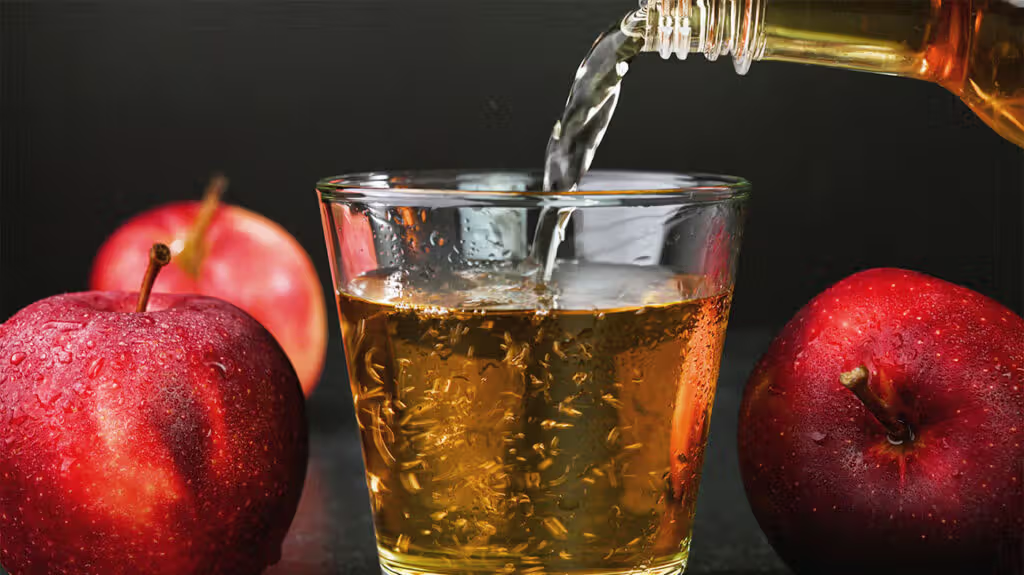
Start your week by removing the environmental toxins and product buildup from the weekend. Apply a rosemary and jojoba oil blend to your scalp, massaging for five minutes to wake up the follicles. Follow with a gentle, sulphate-free wash and a finishing Apple Cider Vinegar (ACV) rinse to seal the cuticles for the week ahead.
- The Food Tip: Focus on High Protein. Start the day with eggs or a chickpea scramble. Your hair is 90% protein; if you don’t provide the building blocks today, you can’t build the strength tomorrow.
Tuesday: Mechanical Peace
Today is about “restorative styling”. Avoid tight ponytails or heavy clips that cause tension. Instead, opt for a loose braid or a silk scrunchie. Before bed, perform a dry scalp massage for five minutes using only your fingertips to keep blood flowing to the roots without adding more oil.
- The Food Tip: Hydration + Iron. Drink at least 2 litres of water and snack on dried apricots or pumpkin seeds. Iron carries the oxygen that “breathes” life into your hair roots.
Wednesday: Mid-Week Moisture Infusion
By Wednesday, your ends might start feeling the effects of indoor heating or urban pollution. Lightly mist your hair with an aloe vera and water spray to rehydrate the strands. Focus the mist on the mid-lengths to ends, then “seal” it with a tiny drop of almond oil.
- The Food Tip: Omega-3 Power. Incorporate walnuts, chia seeds, or a piece of mackerel into your lunch. These healthy fats act as an internal “conditioner” to keep your hair from looking dull and brittle.
Thursday: The Scalp Detox
In 2026, we prioritise the scalp’s microbiome. If you feel any itchiness or “heaviness”, apply fresh aloe vera gel directly to the scalp for 20 minutes before a quick lukewarm rinse. This clears dead skin cells and balances the pH without a full wash.
- The Food Tip: Antioxidant Boost. A bowl of blueberries or a cup of green tea will help combat the oxidative stress that can prematurely age your hair follicles.
Friday: Protective Prep
Fridays are often busy, so keep the hair routine simple: a five-minute nightly massage to de-stress. Ensure your silk or satin pillowcase is clean. This is the “shield” that prevents the tossing and turning of the weekend from snapping your delicate strands.
- The Food Tip: Biotin Focus. Almonds or a sweet potato for dinner will provide the biotin needed to support the keratin structure you’ve been building all week.
Saturday: The Botanical Treatment
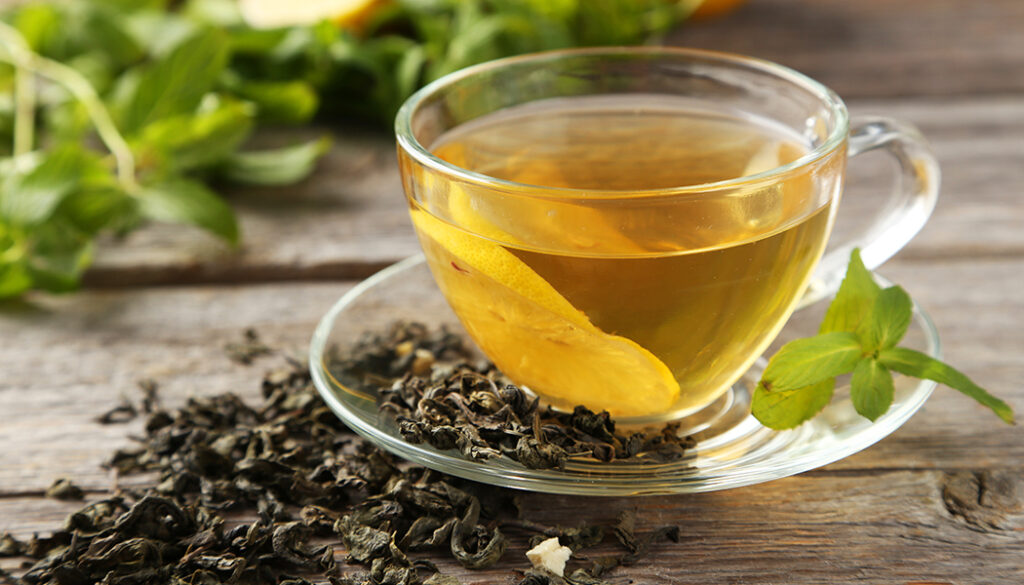
Saturdays are for “Slow Beauty”. Prepare a green tea or rice water rinse. After a light wash, pour the cooled infusion over your hair and let it sit for 10 minutes. This provides a shot of minerals and antioxidants that strengthen the “bonds” of your hair, giving it that 2026 “glass hair” finish.
- The Food Tip: Vitamin C. Eat a citrus fruit or bell peppers. Vitamin C is the “glue” that helps your body produce the collagen that surrounds each hair strand.

Sunday: Rest and Reflection
Sunday is a day of minimal intervention. Give your hair a break from all tools—no brushes, no heat, just a light finger detangle. Finish the week with one final, long scalp massage to stimulate the “growth phase” for the upcoming Monday.
- The Food Tip: Full-Body Hydration. Flush your system with lemon water. A hydrated body ensures that by tomorrow morning, your scalp is “plump” and ready to support new growth.