





Vitamin C is the “holy grail” of skincare products: it brightens, protects, and builds collagen. However, for many people with melanin-rich skin, the truth is not always as advertised on Instagram. Rather than feeling like you’re glowing, you may be left looking at “sun spots” that have appeared out of nowhere, or an orange cast to your skin, or, worse yet, irritation that leaves dark spots.
First of all, we’ve outgrown the notion that there’s one formula that works for everyone. If Vitamin C isn’t working for your dark skin, it’s not because your skin is “difficult”; it’s usually because the chemistry is clashing with your biology. Here is exactly why it’s happening and how to fix it.
1. The “Fake Tan” Trap (Oxidation)
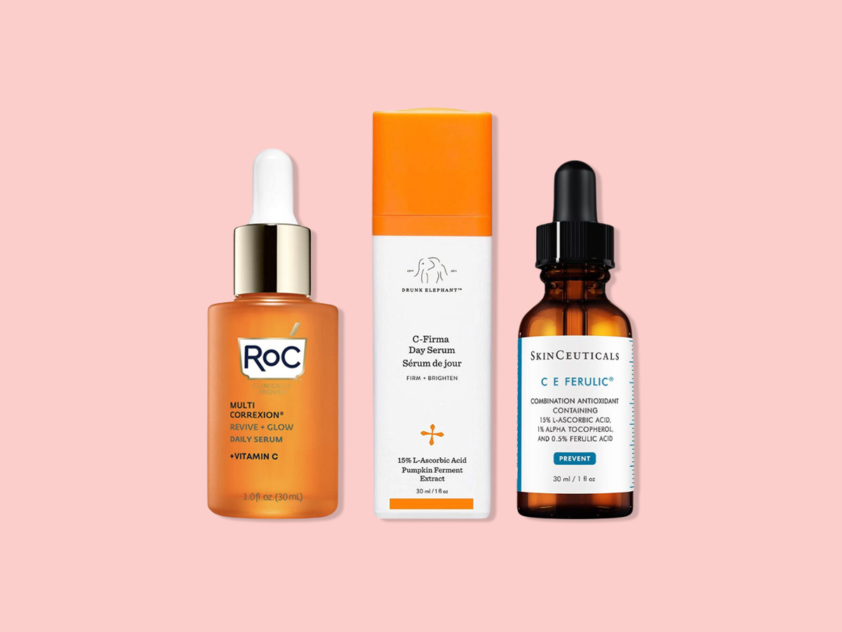
If you’ve observed that your skin has taken on a slightly orange or “muddier” tone after a few days of use, it’s not that you’ve tanned – it’s that your serum has oxidised. The trouble is that pure Vitamin C (L-Ascorbic Acid) is notoriously unstable. When it comes into contact with air, light, or heat, it converts to erythrulose. This is the same ingredient used in self-tanners. It binds with the dead skin cells on your surface, effectively “staining” your face.
The solution is to check the colour. If your serum is dark yellow, orange, or brown in the bottle, it’s already “spoilt”. Get rid of it. Also, keep your bottle of serum in a cool, dark drawer (or a skincare fridge). Always wash your hands after application. If you have melanin-rich skin, you may be able to see “orange palms” more easily.
2. The Irritation Paradox (PIH)
Melanin-rich skin is famously resilient but structurally sensitive to inflammation. Many “potent” 20% Vitamin C serums use a very low pH (acidic) to remain stable. For dark skin, this can cause micro-inflammation. While a lighter skin tone might just see temporary redness, dark skin responds to inflammation by producing more melanin. This is called Post-Inflammatory Hyperpigmentation (PIH). You’re essentially using a brightener that is triggering darkening.
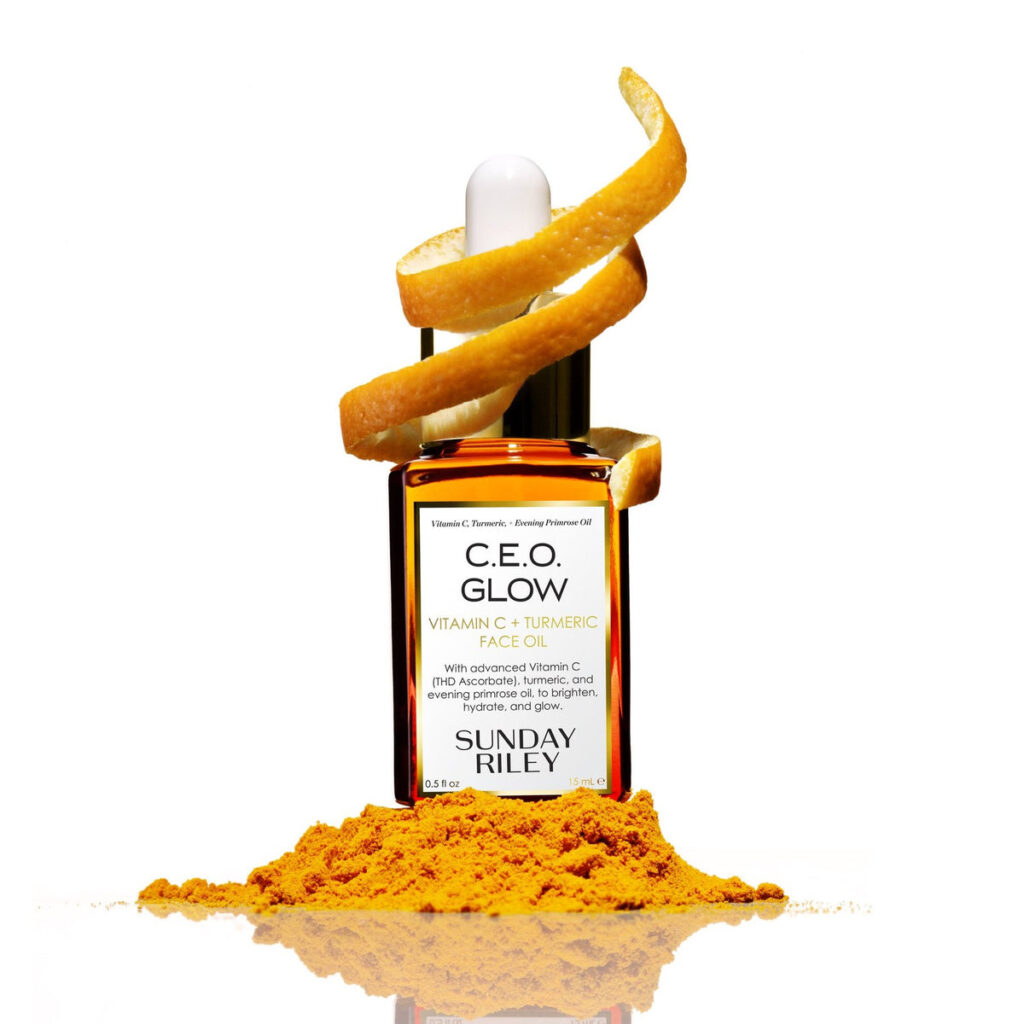
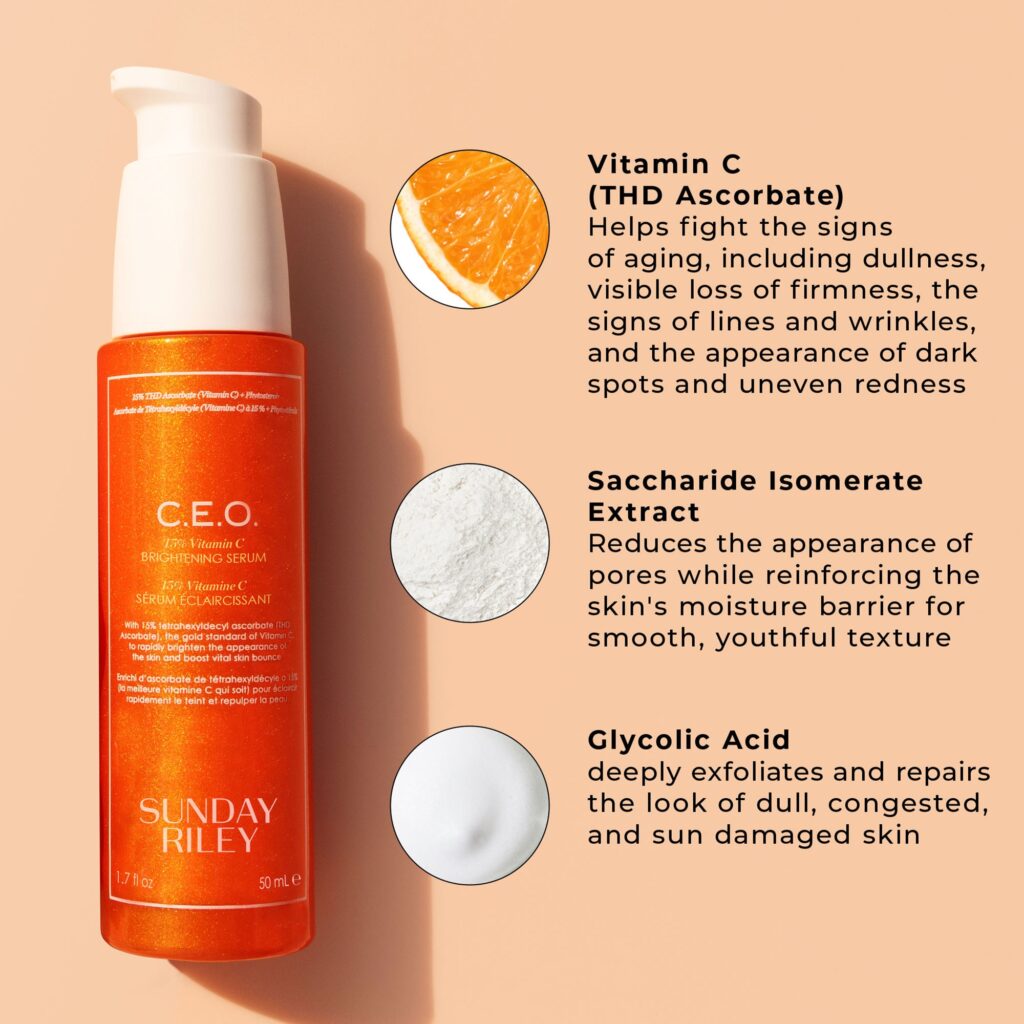
So, switch derivatives. Stop chasing L-Ascorbic Acid. Try THD Ascorbate (oil-soluble and very stable) or Sodium Ascorbyl Phosphate. They are much gentler and penetrate deeper without the “burn.” Start at 10%. In the world of Vitamin C, more is not always better.
Recommended For You
3. The “Unshielded” Antioxidant
There is a common myth that Vitamin C replaces sunscreen. In reality, they are a partnership. Vitamin C is an antioxidant that neutralises free radicals from the sun. However, it can also make the skin slightly more photosensitive if the formula is acidic. If you apply Vitamin C and skip the SPF, the sun can “cook” the product on your skin, leading to faster oxidation and UV damage. Vitamin C must be followed by a broad-spectrum SPF 30+. Think of the Vitamin C as your “under armour” and the SPF as your “shield”.

Your 2026 Vitamin C Troubleshooting Guide
| Problem | The Likely Culprit | The Solution |
| Orange tint/staining | Oxidized L-Ascorbic Acid | Switch to THD Ascorbate (e.g., Sunday Riley C.E.O or Live Tinted Superhue). |
| Itchy, red, or darker spots | pH is too low / Acid is too strong | Use a C-derivative formula like Sodium Ascorbyl Phosphate. |
| Product feels “gritty” | Poor formulation/Suspension | Apply to completely dry skin to prevent pilling and uneven absorption. |
| No results after 1 month | Oxidation in the bottle | Look for opaque, airless pump packaging rather than dropper bottles. |
The “Pro” Layering Technique
To get the best results without the risk, try the “Antioxidant Sandwich”:
- Cleanse and dry your face thoroughly.
- Apply your Vitamin C serum.
- Wait 2 minutes, then apply a Vitamin E or Ferulic Acid moisturiser (these stabilize the C).
- Seal it all in with SPF.
“Skincare is a marathon, not a sprint. If an ingredient makes your skin angry, it doesn’t matter how many awards it has won, it’s not for you.”
Vitamin C is an incredible tool for fading dark spots and protecting your glow, but only if it’s working with your melanin, not against it.