
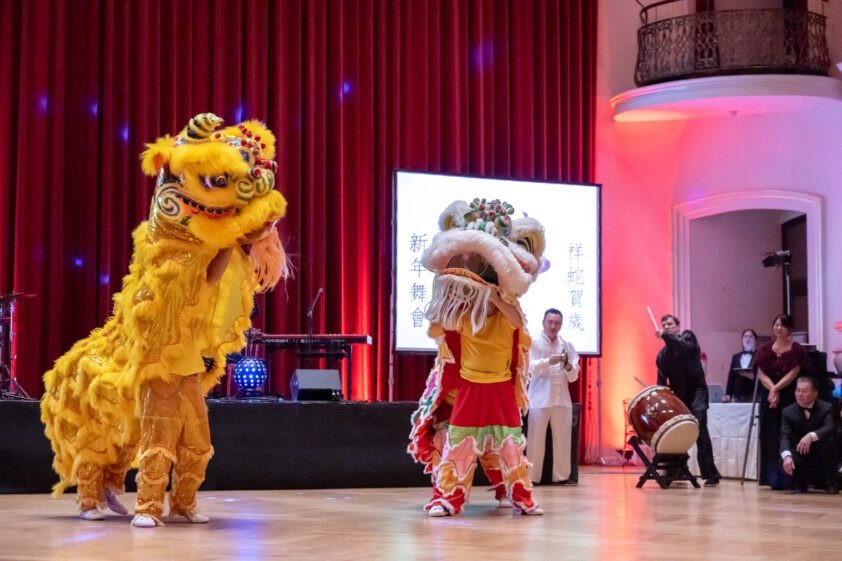
Chinese New Year Vienna 2026 unfolded in spectacular fashion as nearly 600 guests gathered at Sofiensäle for the Chinesischer Neujahrsball. Celebrating the Year of the Fire Horse, the evening blended Austrian ballroom tradition with Chinese heritage, creating one of the most vibrant multicultural moments of Vienna’s 2026 ball season. What unfolded was more than a festive gathering. It became a vivid demonstration of how tradition travels, adapts, and finds new meaning far from home.
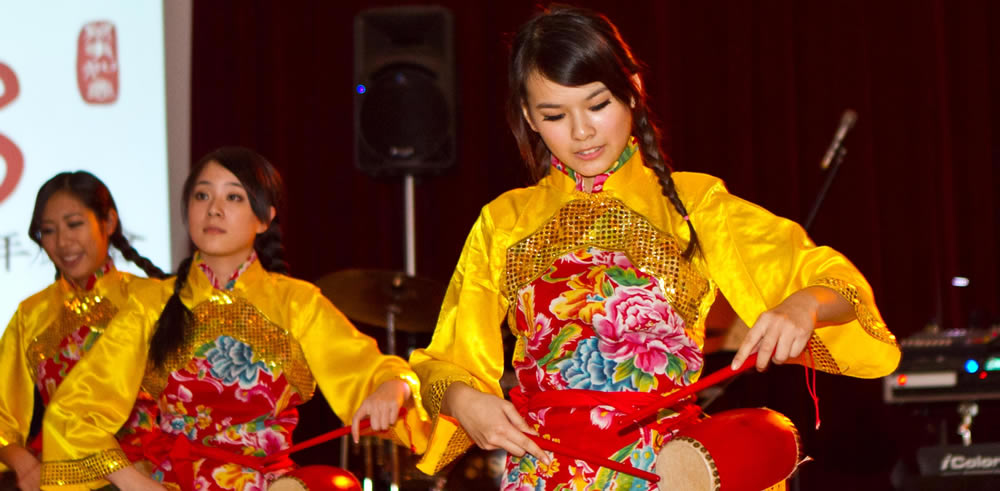
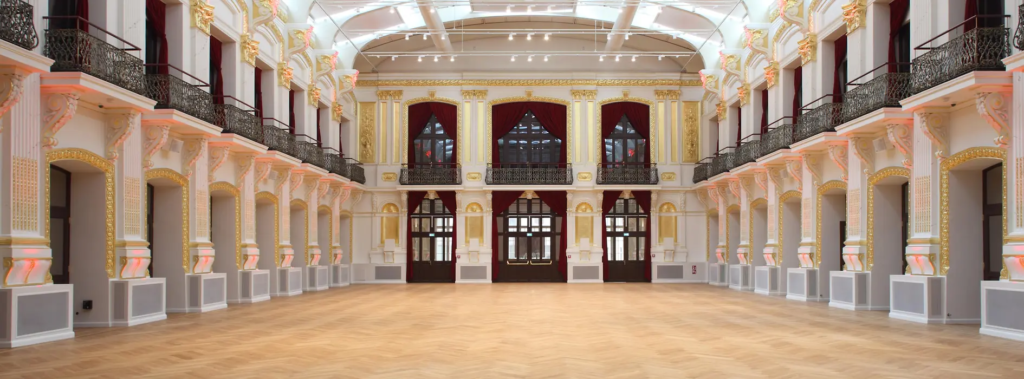
The 2026 Lunar New Year officially began on 17 February, ushering in the Fire Horse, a rare zodiac sign associated with courage, movement, and decisive change. The Fire Horse arrives only once every sixty years in its elemental form. Traditionally, it is seen as a year that encourages people to move forward with ambition and embrace change rather than resist it. Those themes shaped both the atmosphere and experience of this year’s celebration, where Chinese cultural heritage met Austria’s long-standing ballroom tradition.
Must Read
Chinese Dining: Learn the Dos and Don’ts for a Flawless Cultural Experience
Pan Wu on Identity, Materials, and Artistic Authenticity in Contemporary Chinese Art
How Chinese New Year Vienna 2026 Became a Cultural Fixture
For organiser Ying Wu, the evening represented years of steady community building. “When I first took it over, there were barely a few people coming,” Wu said after the event. “Now we had about 550 paying attendees, almost 600 people in the building. People really enjoy it and look forward to it.”
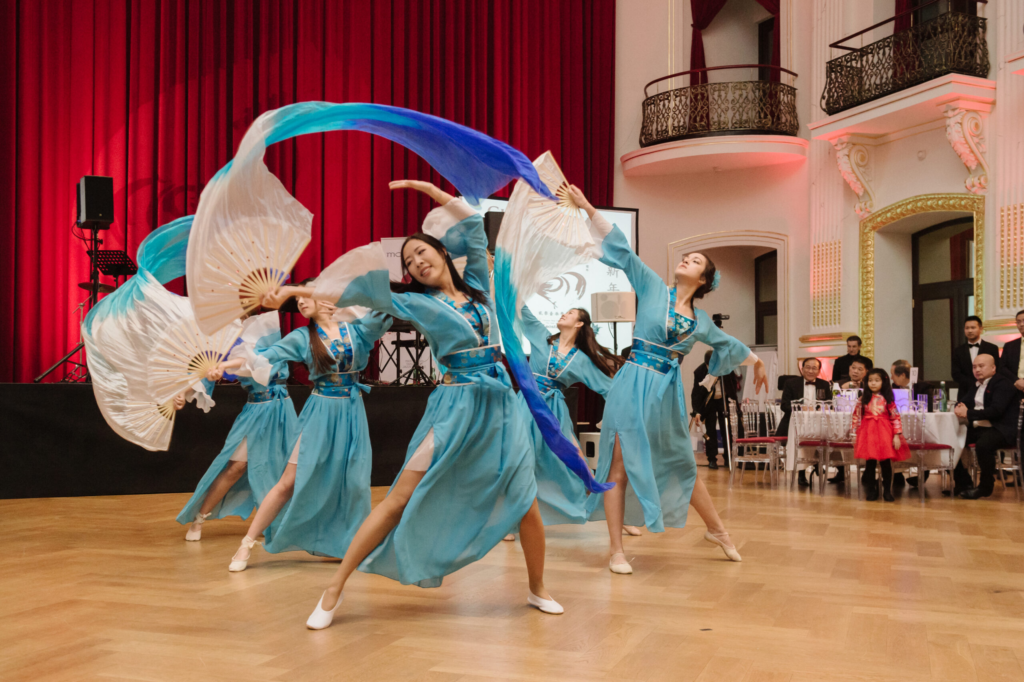
The celebration, now organised under the Taiwanese Chamber of Commerce, has evolved into a cultural bridge between communities. Families, diplomats, creatives, and longtime Viennese ball attendees gathered under one roof, reflecting the growing relevance of multicultural festivals within Europe’s social scene.
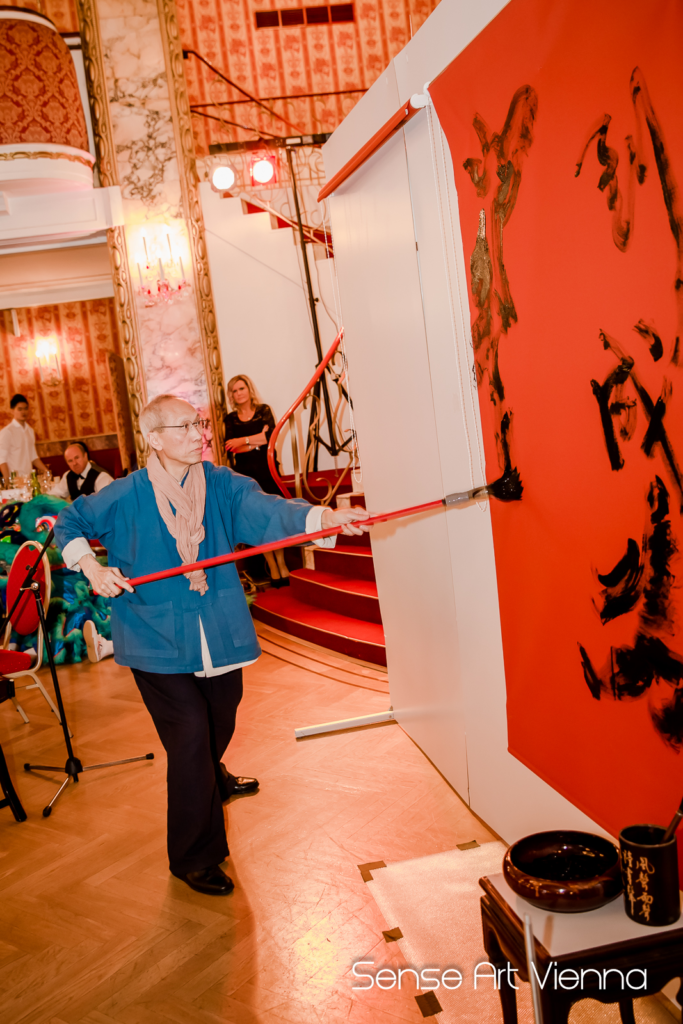
“The New Year is very important for everyone,” Wu explained. “It is usually a time when families come together and have dinner. This event allows people living abroad to celebrate that feeling of a new beginning together.”
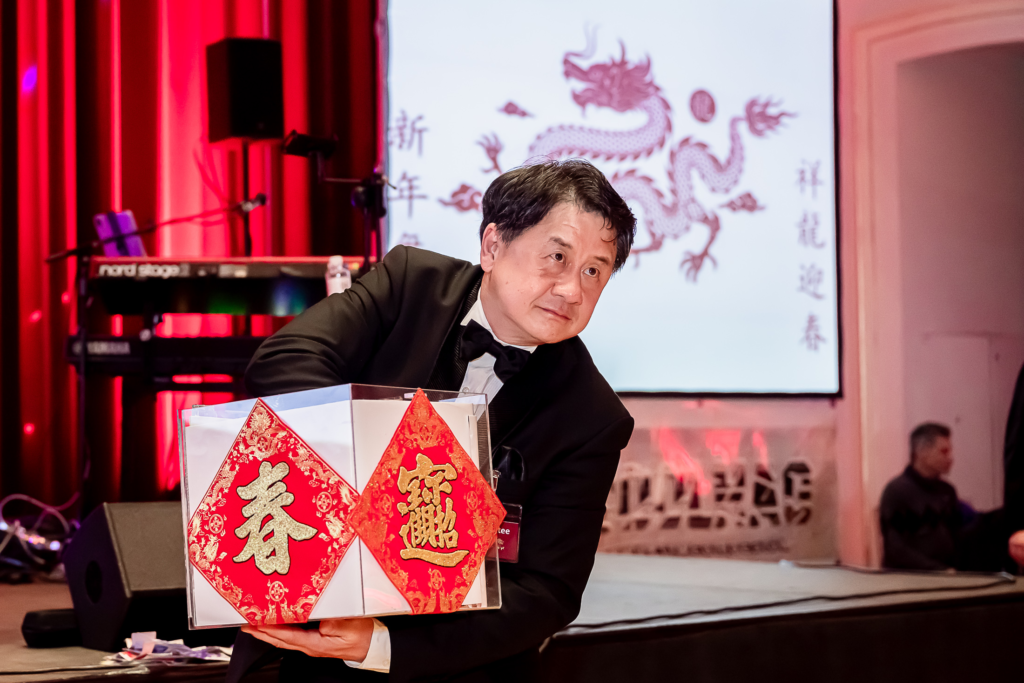
The evening opened with a ceremonial welcome and live culinary presentations before guests moved freely onto the dance floor. A live band carried the night forward while group dances encouraged participation across generations and nationalities.
“We always begin with a traditional opening,” Wu said. “After that, people are free to dance. We had moments where everybody lined up and danced together. That creates a very nice atmosphere.”
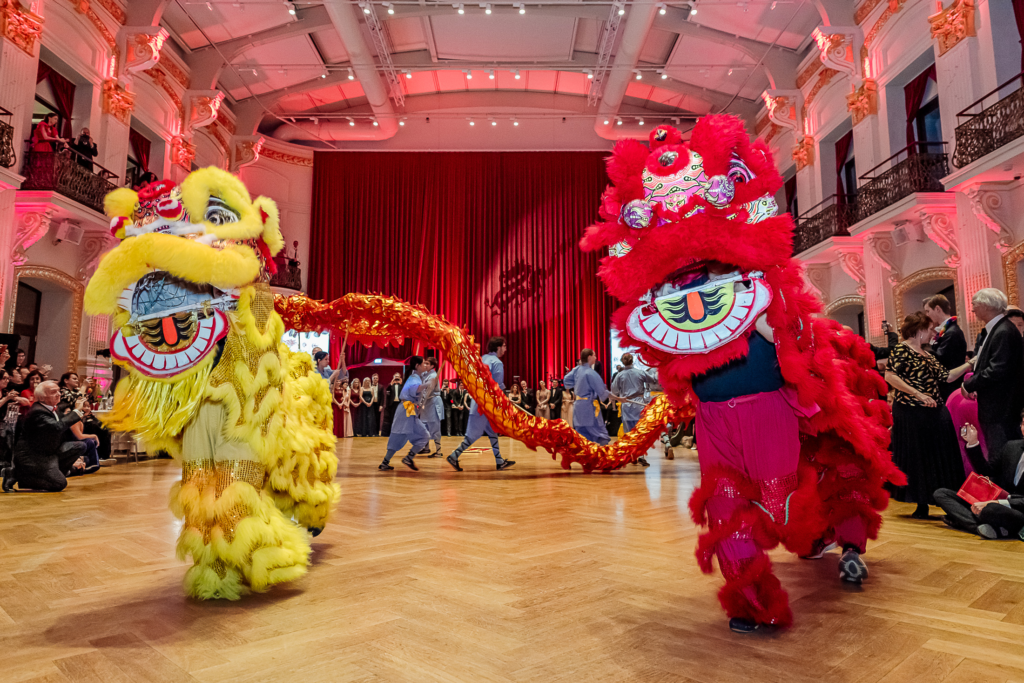
A large stage performance added unexpected energy to the night. This year’s programme included an international samba showcase, reflecting the Fire Horse’s symbolism of adventure and movement. The blend of performances reinforced the event’s East West identity, where cultural exchange happens naturally rather than ceremonially.
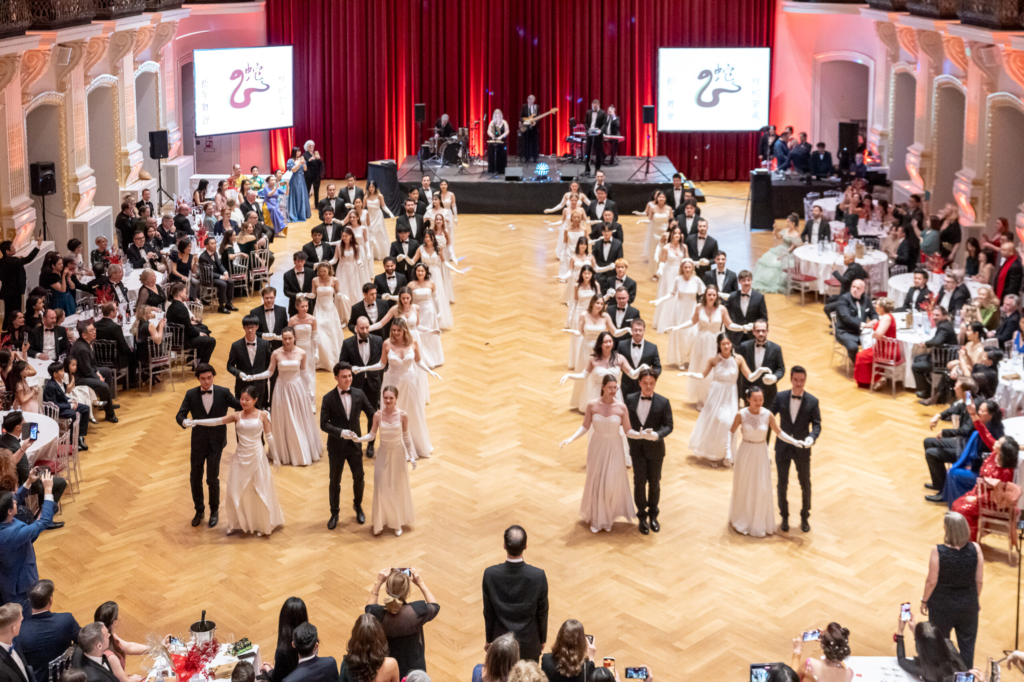
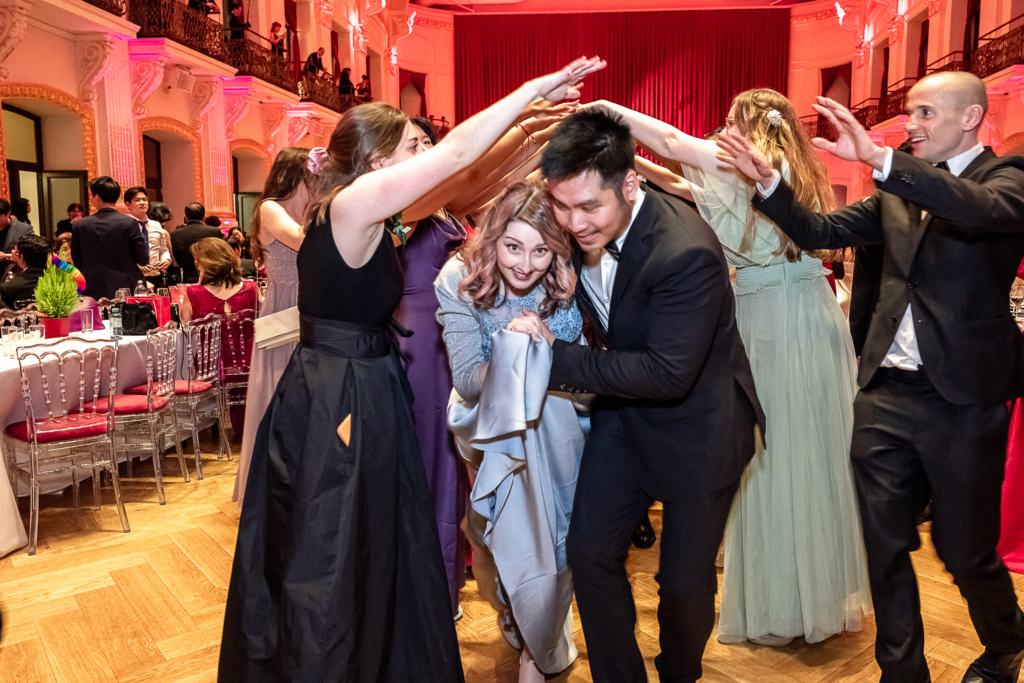
Fashion became one of the evening’s most visible expressions of that exchange. Guests arrived in black tie attire consistent with Vienna’s formal ball culture, while many women wore the qipao, the elegant traditional Chinese dress. Austrian evening gowns and tuxedos shared space with silk embroidery and structured collars.
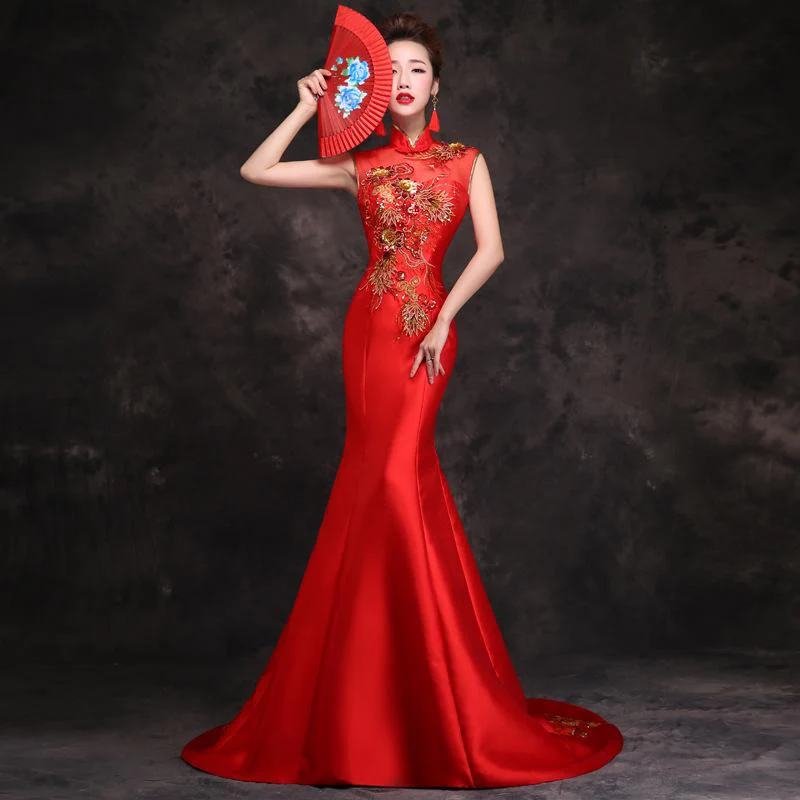
“The dress code is formal,” Wu noted. “Many guests wear traditional Chinese clothing, others wear Austrian formal attire. Every year people understand better what the event represents.”
Chinese New Year Vienna Reflects a Changing Europe
Food remained central to the celebration’s communal spirit. Organizers prepared thousands of traditional dishes symbolizing prosperity and longevity. “We made around 18,000 baozi,” Wu said. “It takes many volunteers. Nobody is making money from this. It is truly for the community.”
That community focus has defined the celebration since its early years. Wu acknowledged that the event once operated at a loss, supported largely through donations and sponsorship from within the diaspora. Today, it has reached financial stability while maintaining its nonprofit character.
“The money stays within the association,” he said. “The goal is not profit. The goal is to keep the tradition alive so people can look forward to it every year.” Audience reception confirmed the event’s growing cultural impact. Guests travelled from across Europe, including longtime ball attendees curious about a celebration that now sits comfortably within Vienna’s annual social calendar.
“We had an older guest who came from France and said it was something very special,” Wu recalled. “People now expect that during ball season there will also be this Chinese New Year celebration.”
For members of the Chinese and Taiwanese communities in Austria, the evening carried a deeper emotional meaning. “There is now a certain pride,” Wu said. “Many people help organize it. When it is finished, everyone feels happy because we created something together.”
The success of this year’s celebration mirrors the symbolism of the Fire Horse itself. A sign defined by momentum and bold progress, it calls for movement rather than preservation alone. In Vienna, that movement was seen on the dance floor, in shared meals, and in conversations between cultures that may otherwise never meet.
As the final music faded and guests stepped back into the winter streets, one thing was clear. The Chinesischer Neujahrsball has moved beyond diaspora tradition. It has become a cultural fixture that reflects a changing Europe, where heritage is not confined by geography but strengthened through participation.